

Ce 26 septembre nous nous sommes retrouvé au Sart tilman pour notre traditionelle montée.
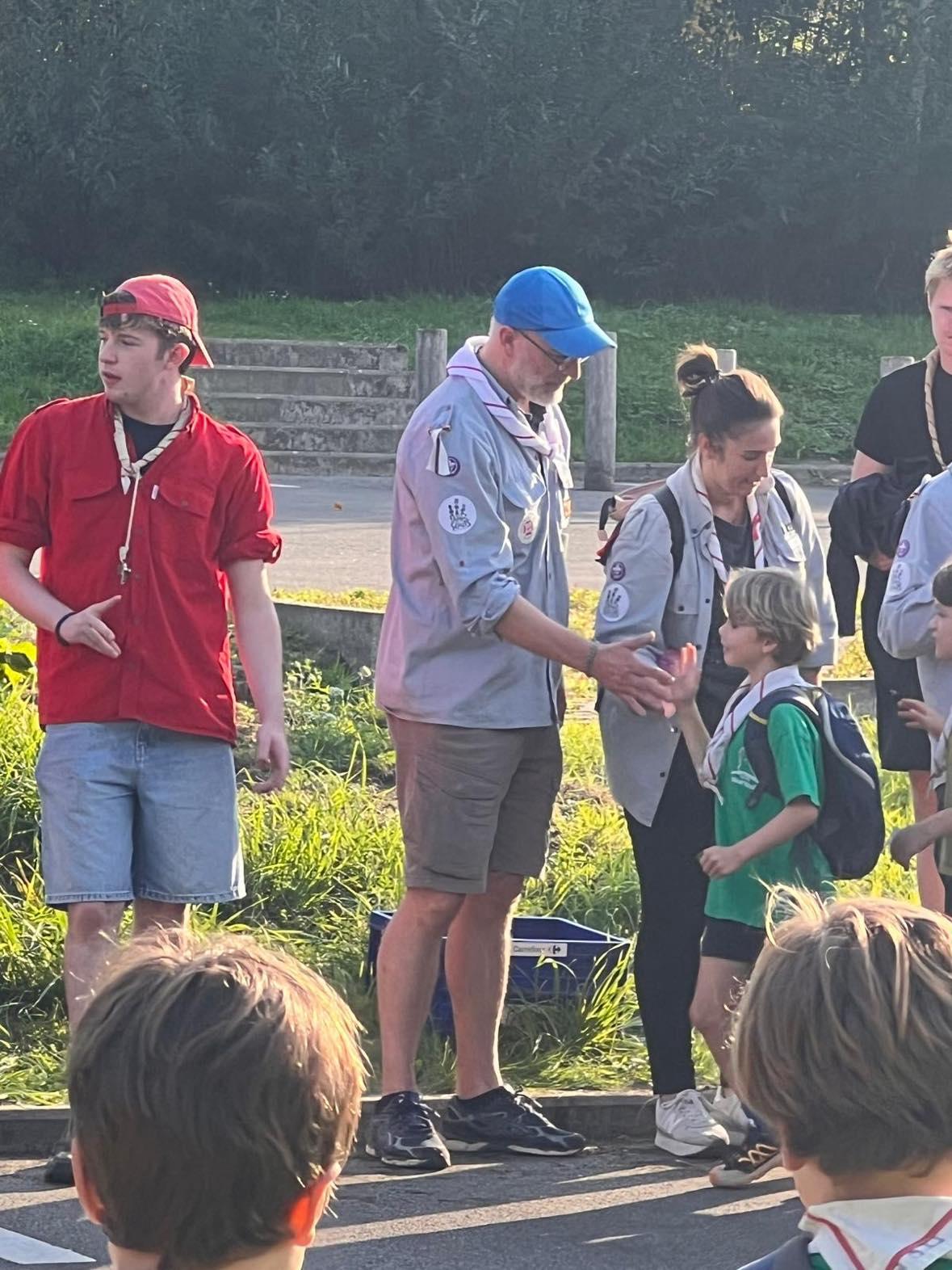
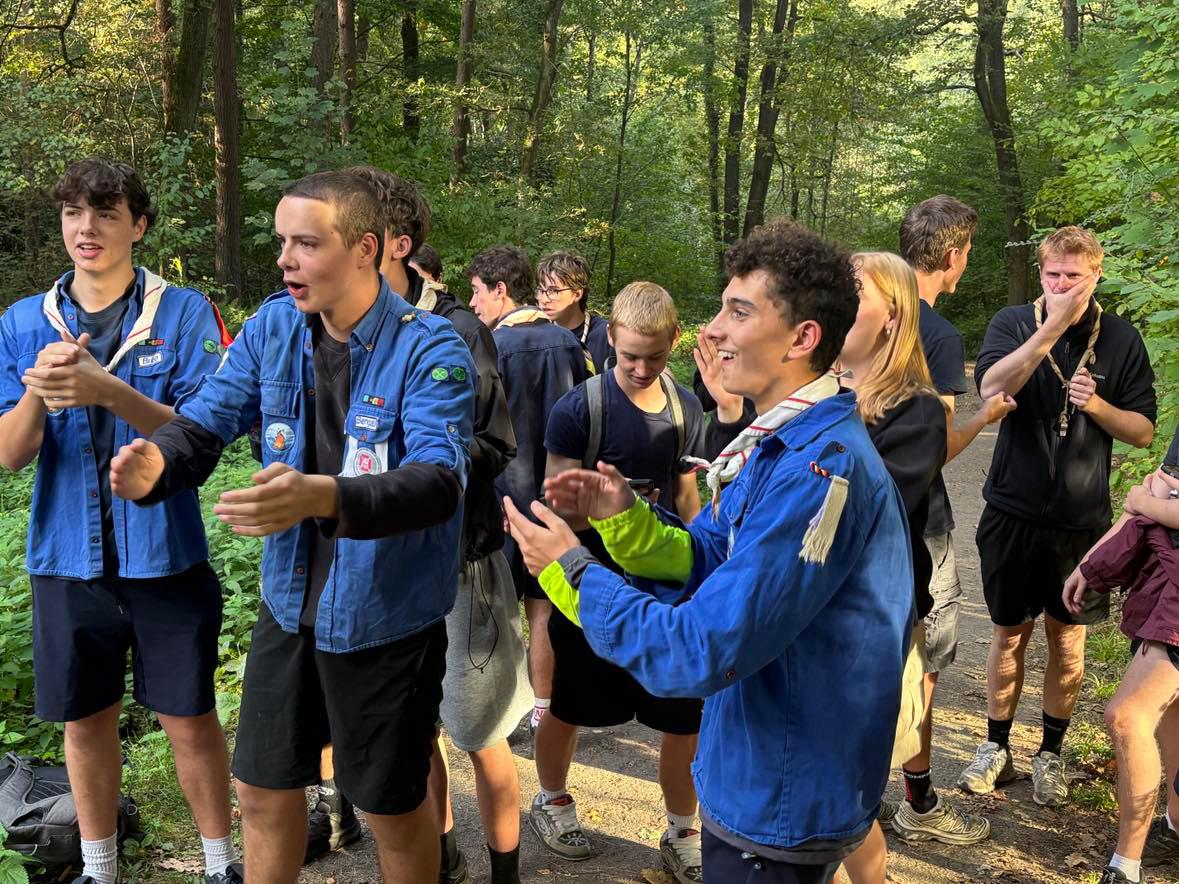
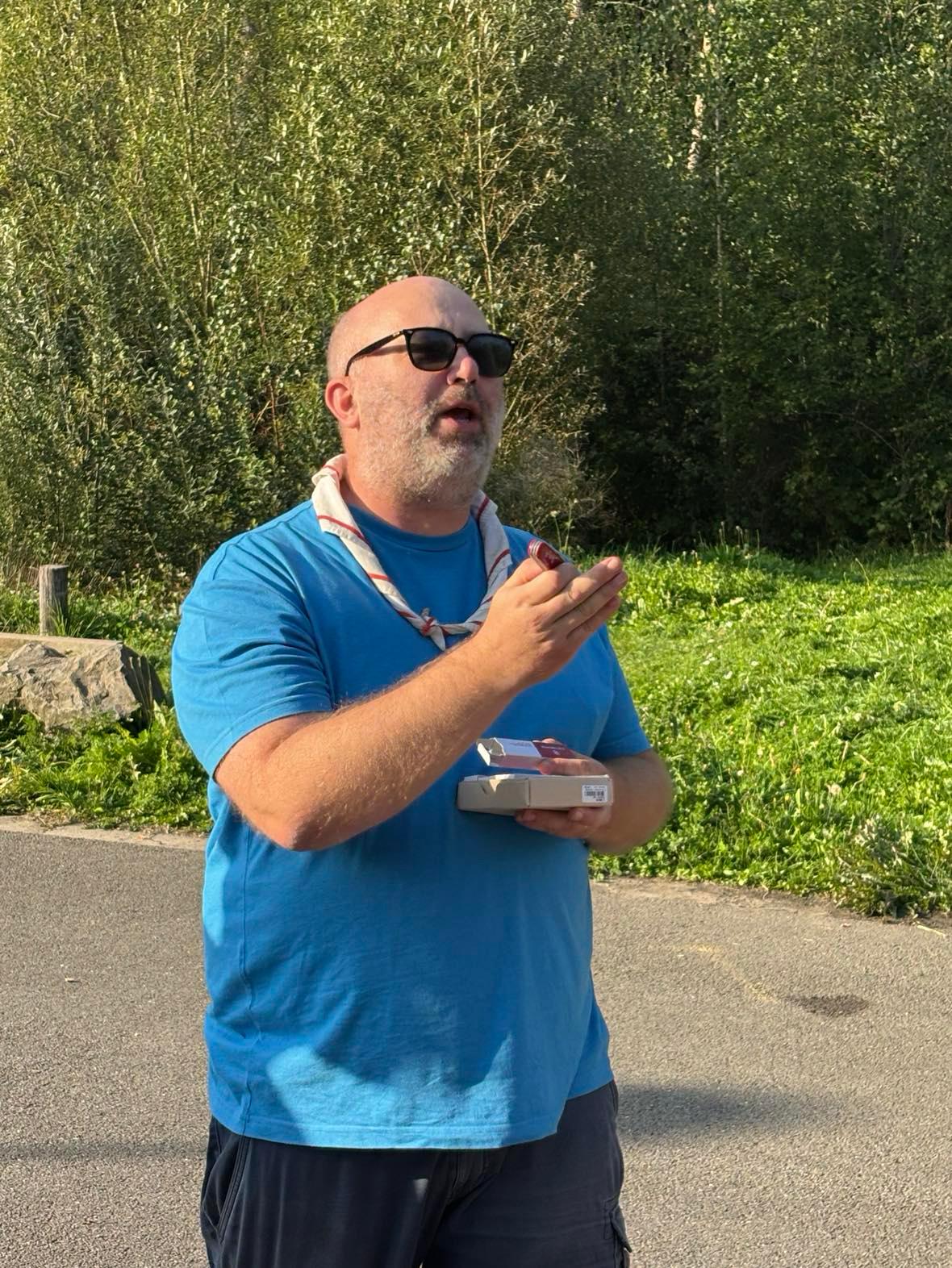
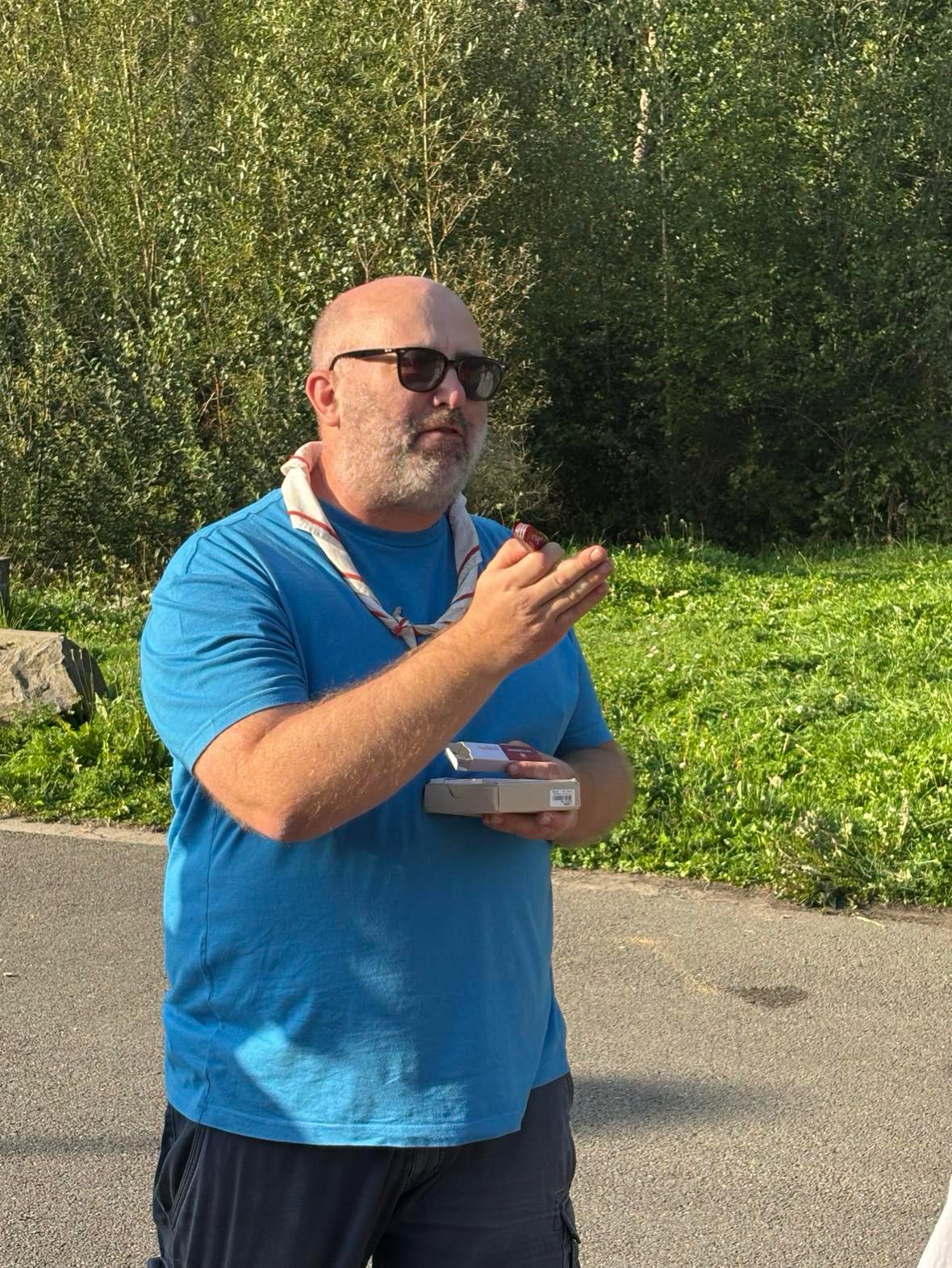
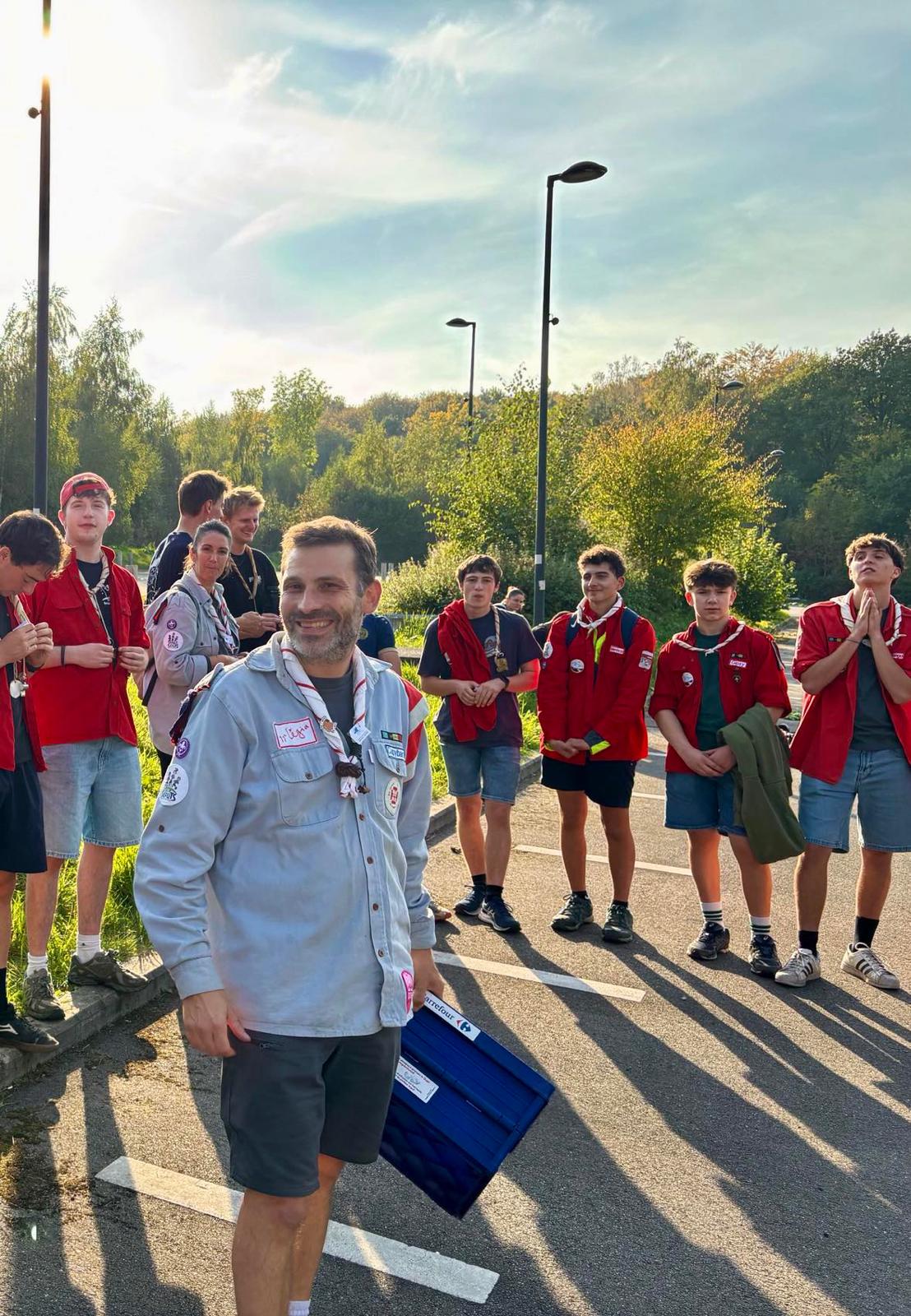
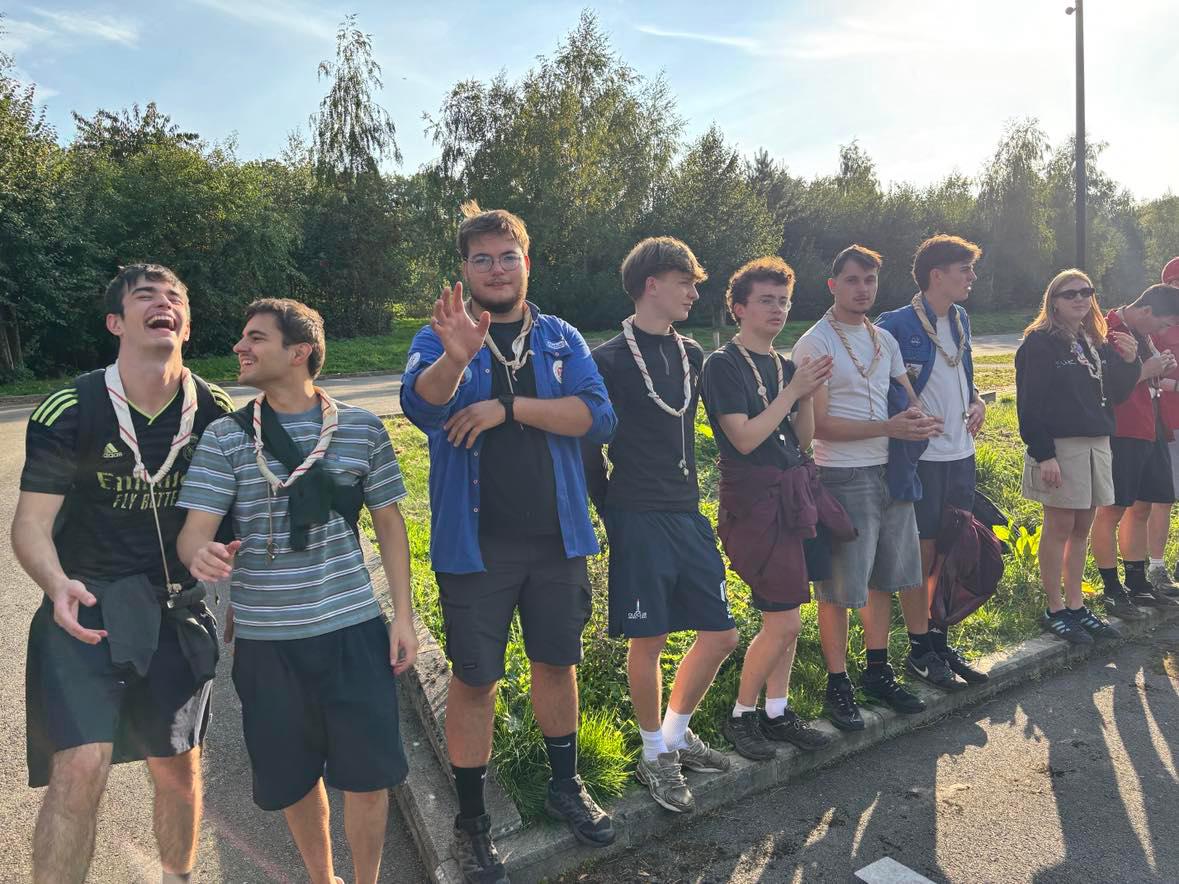
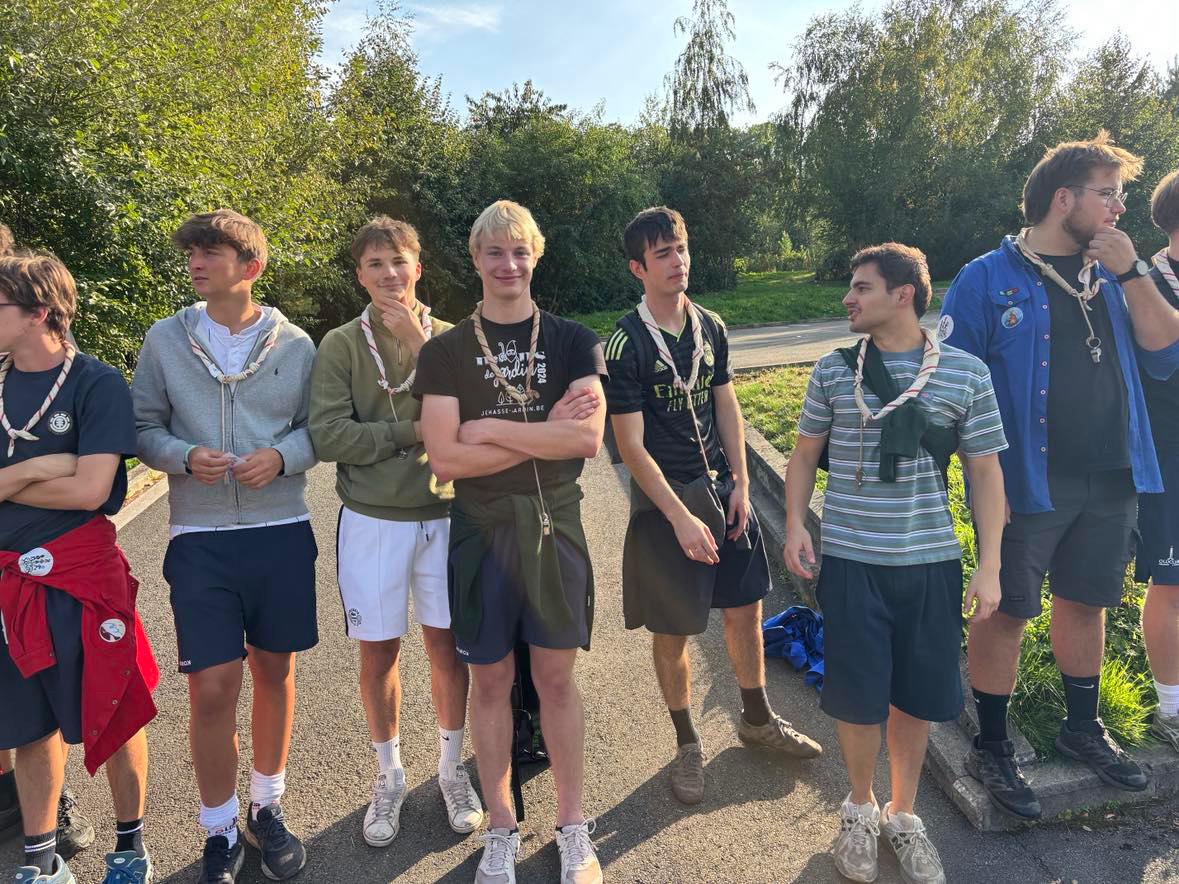

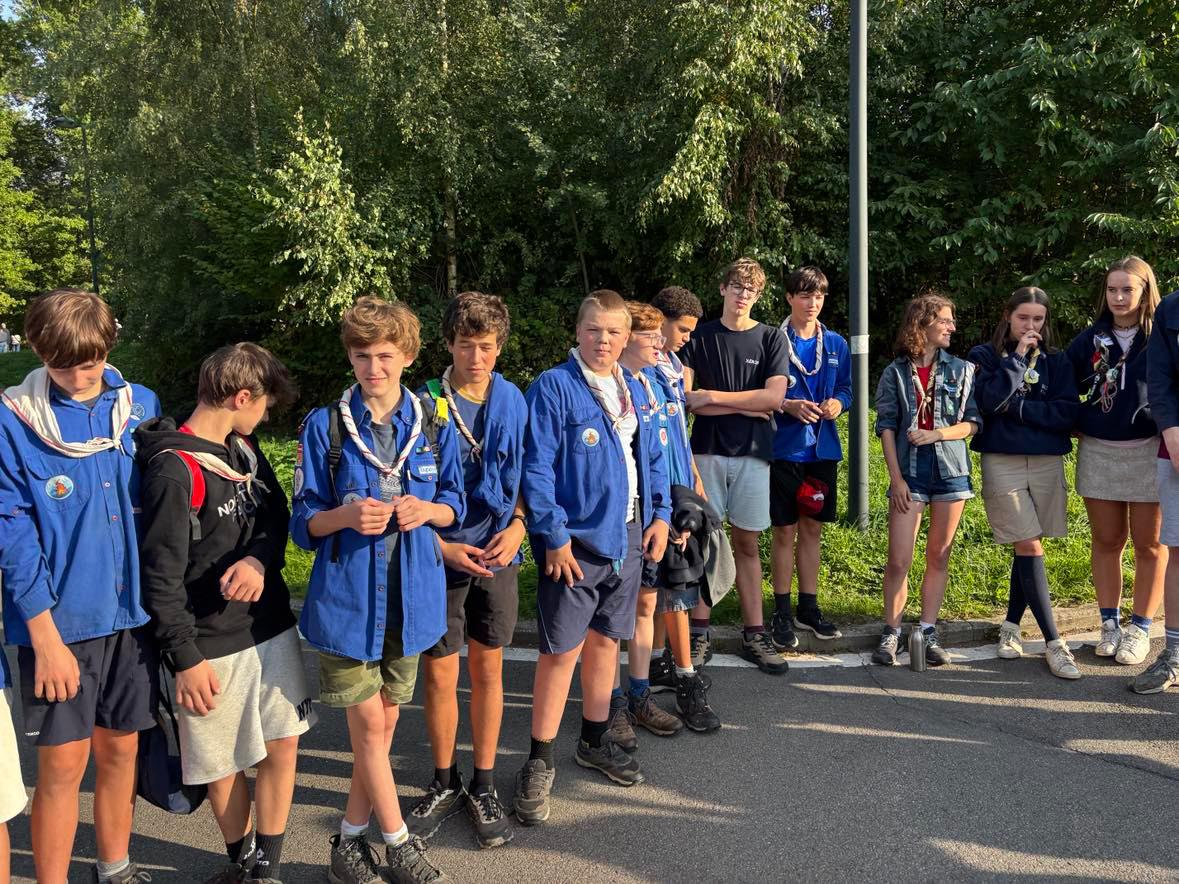
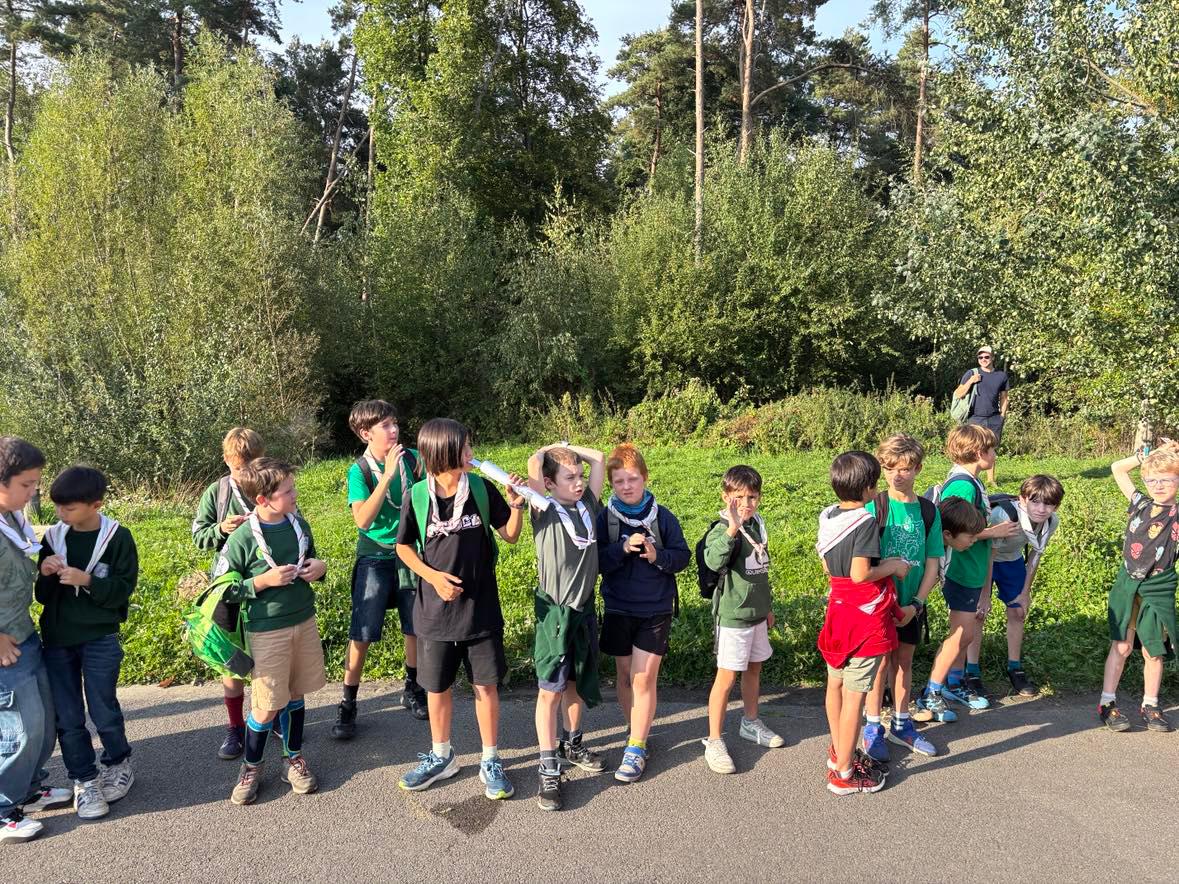

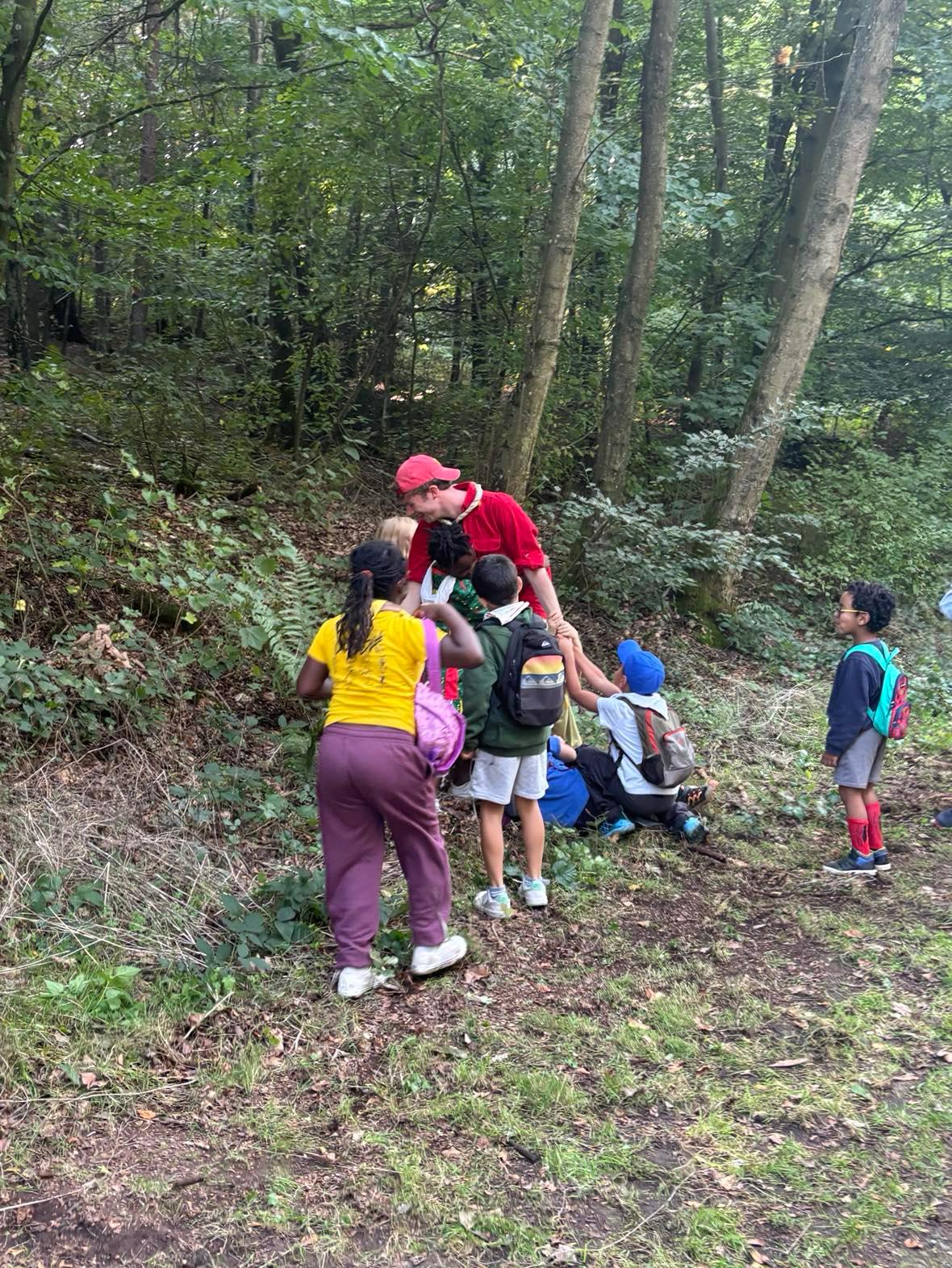
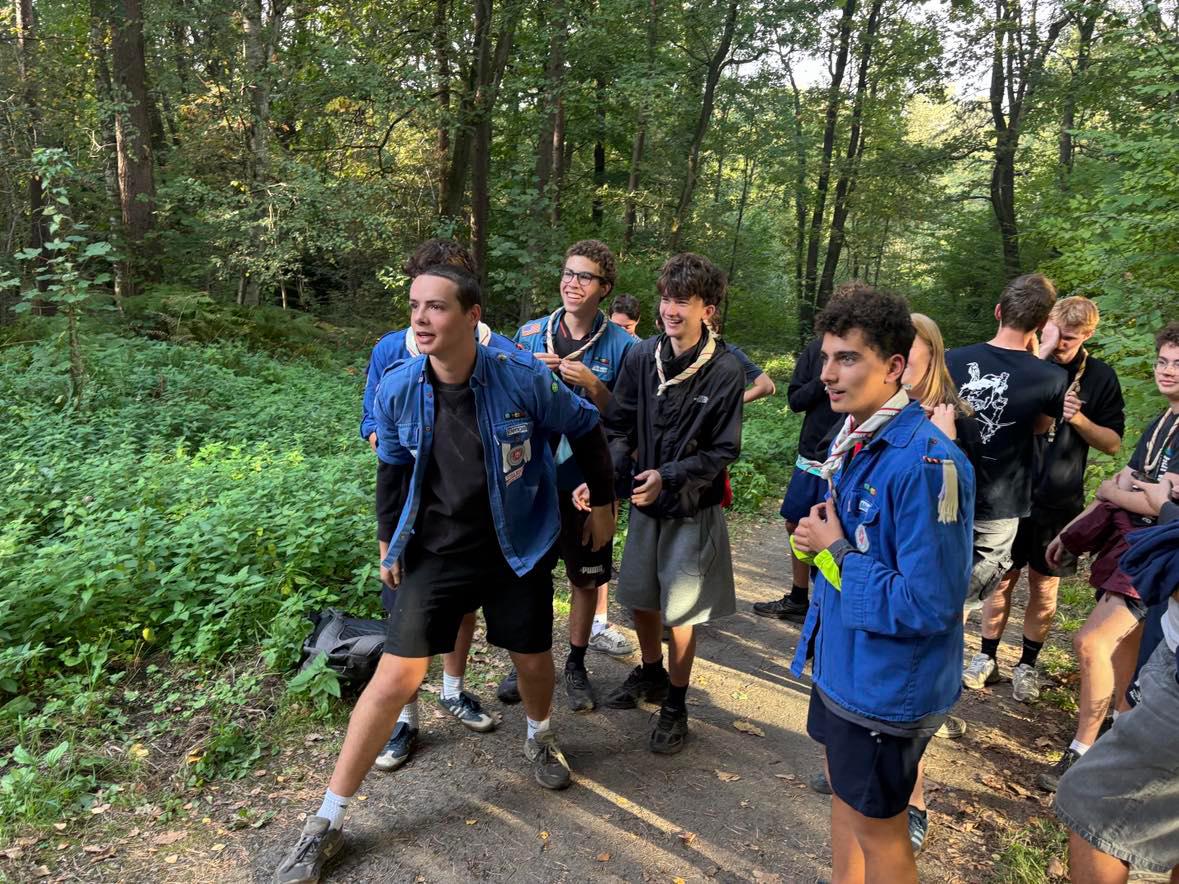

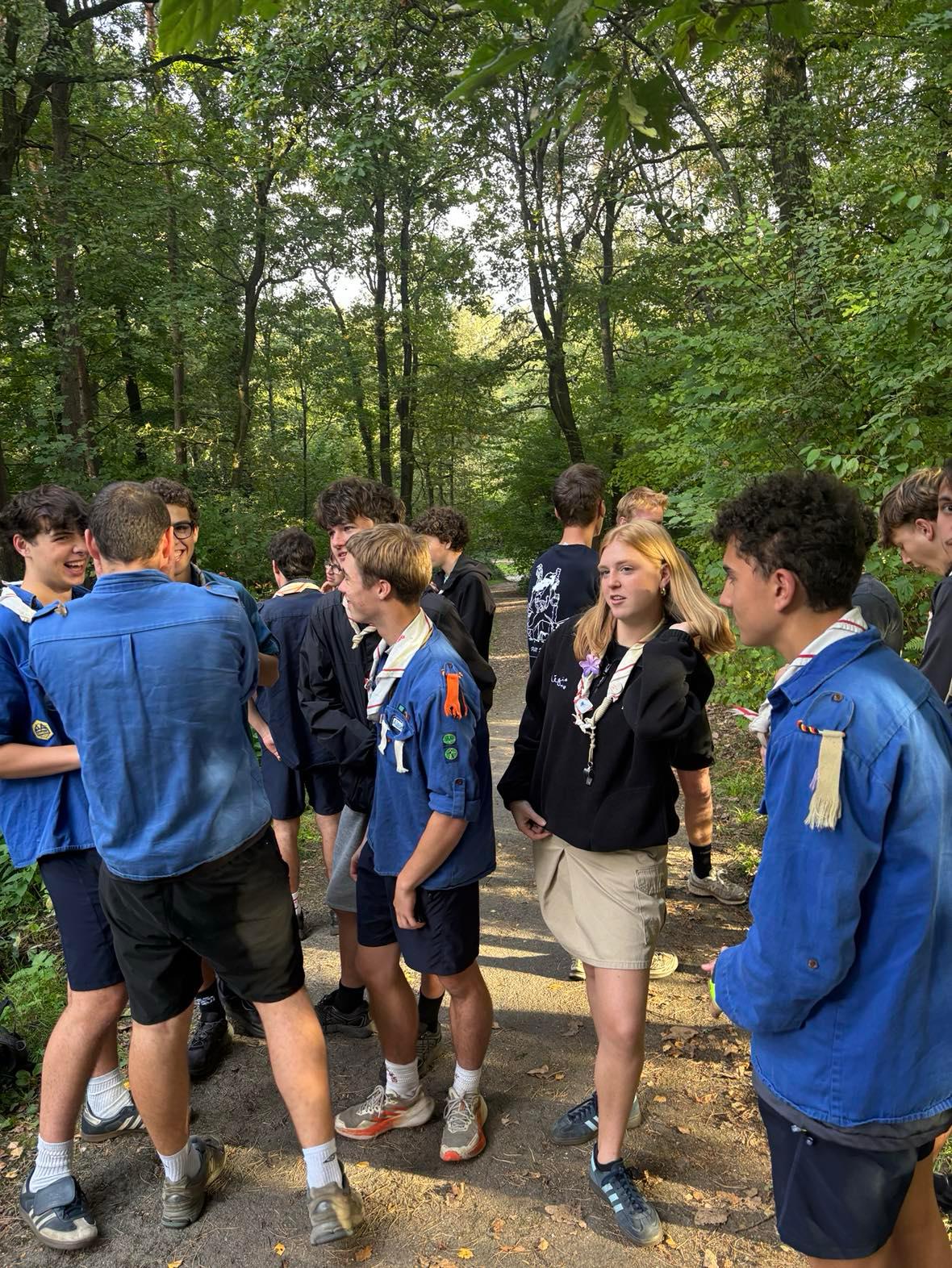
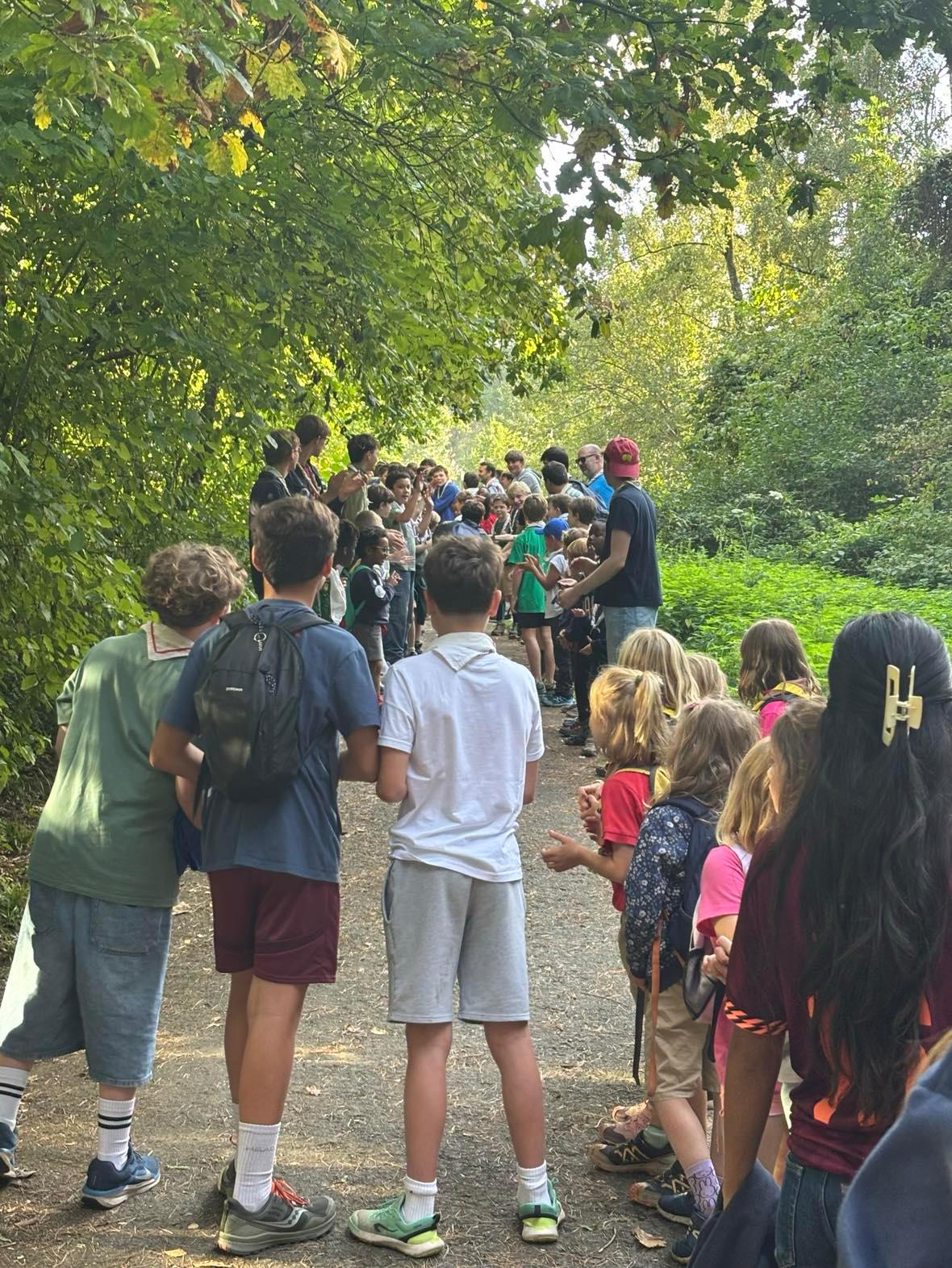
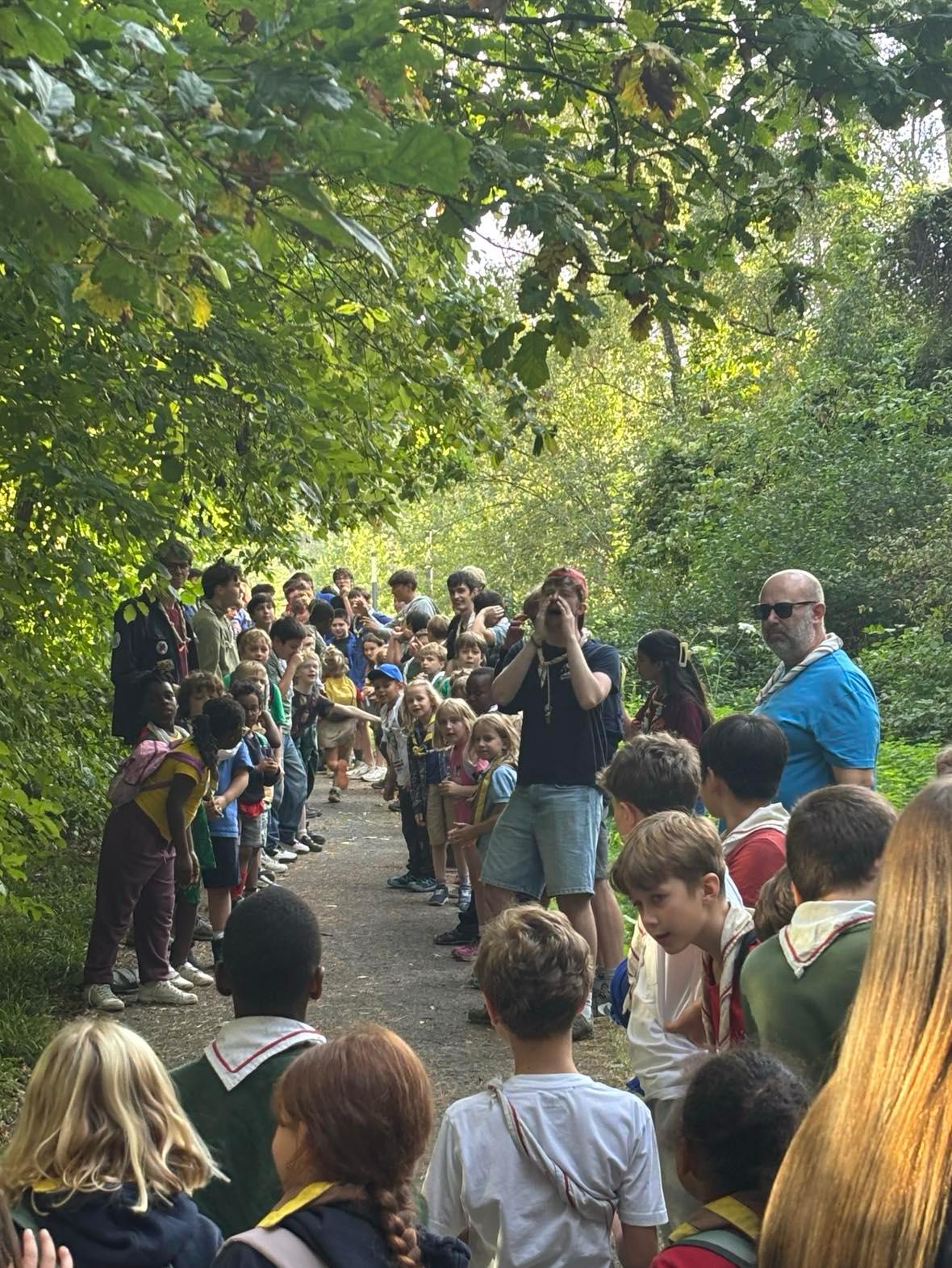
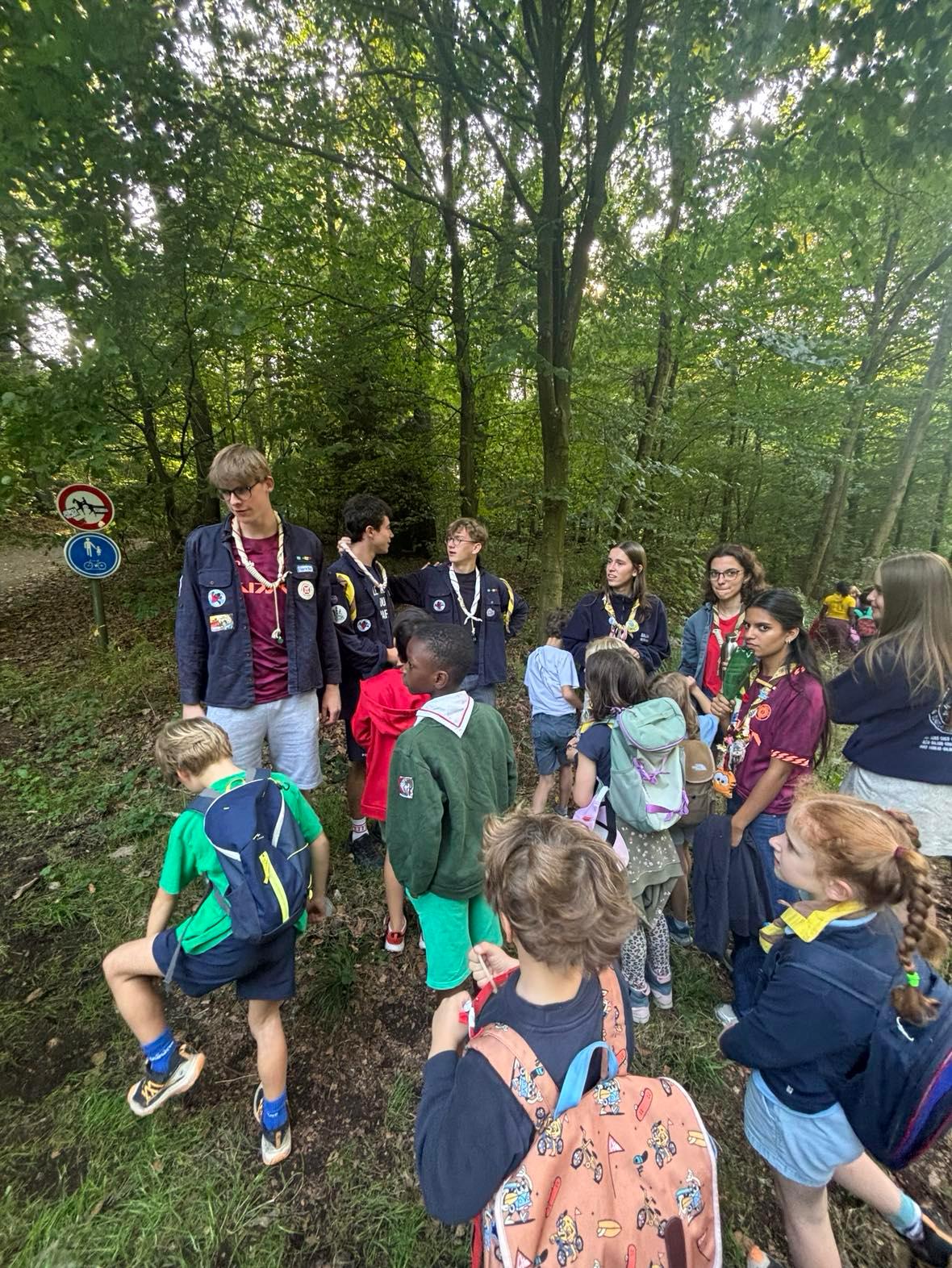
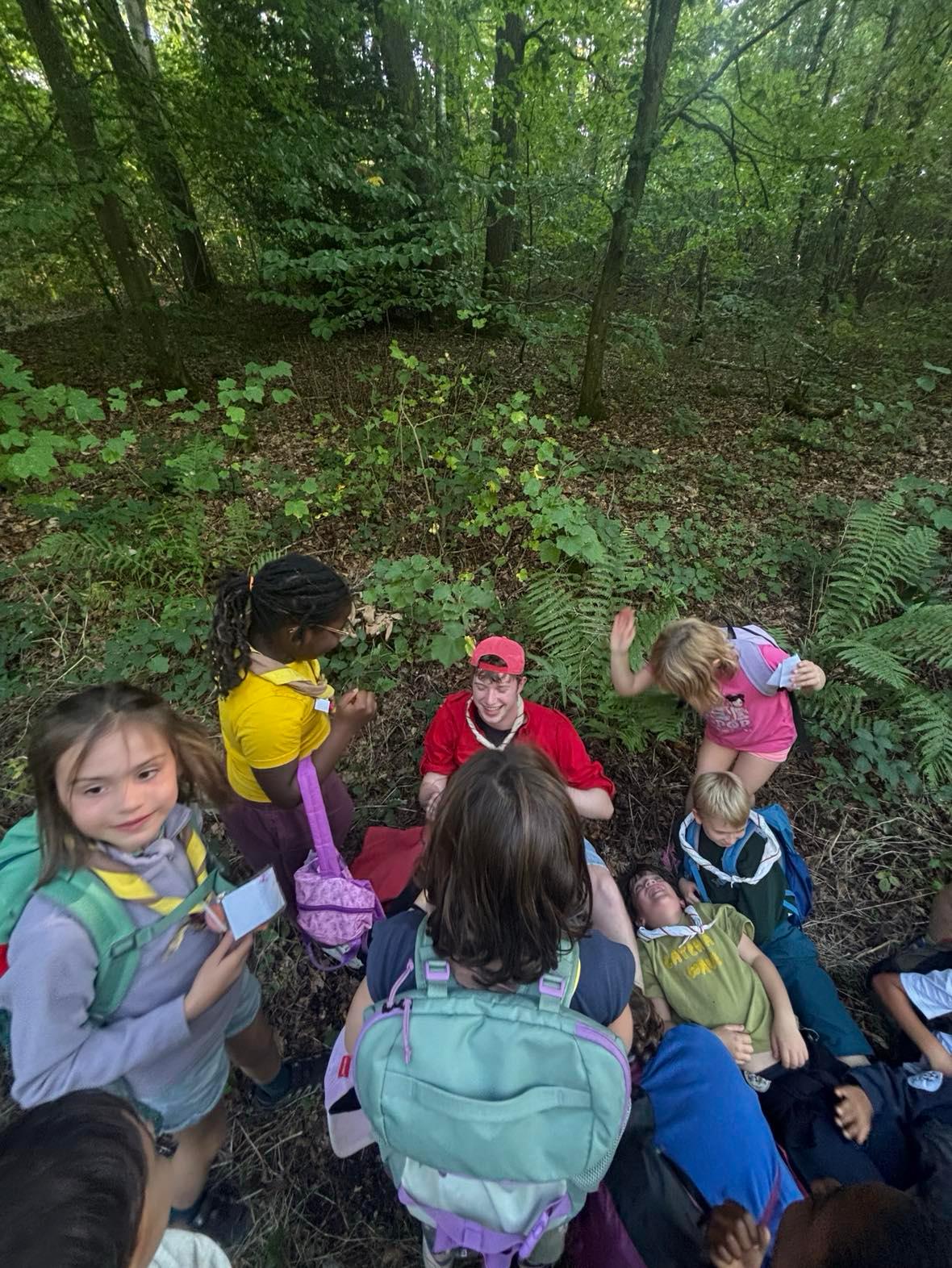
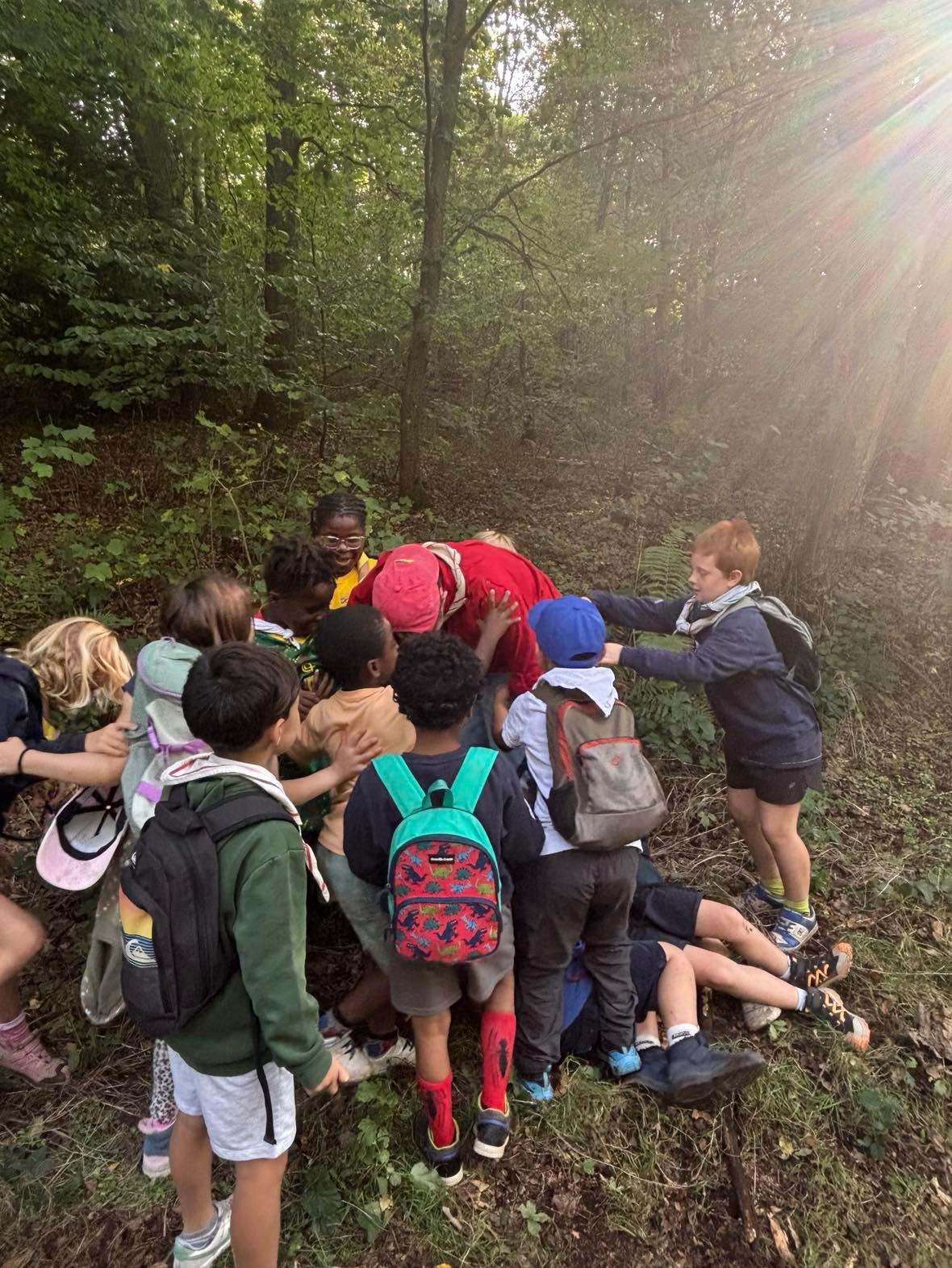
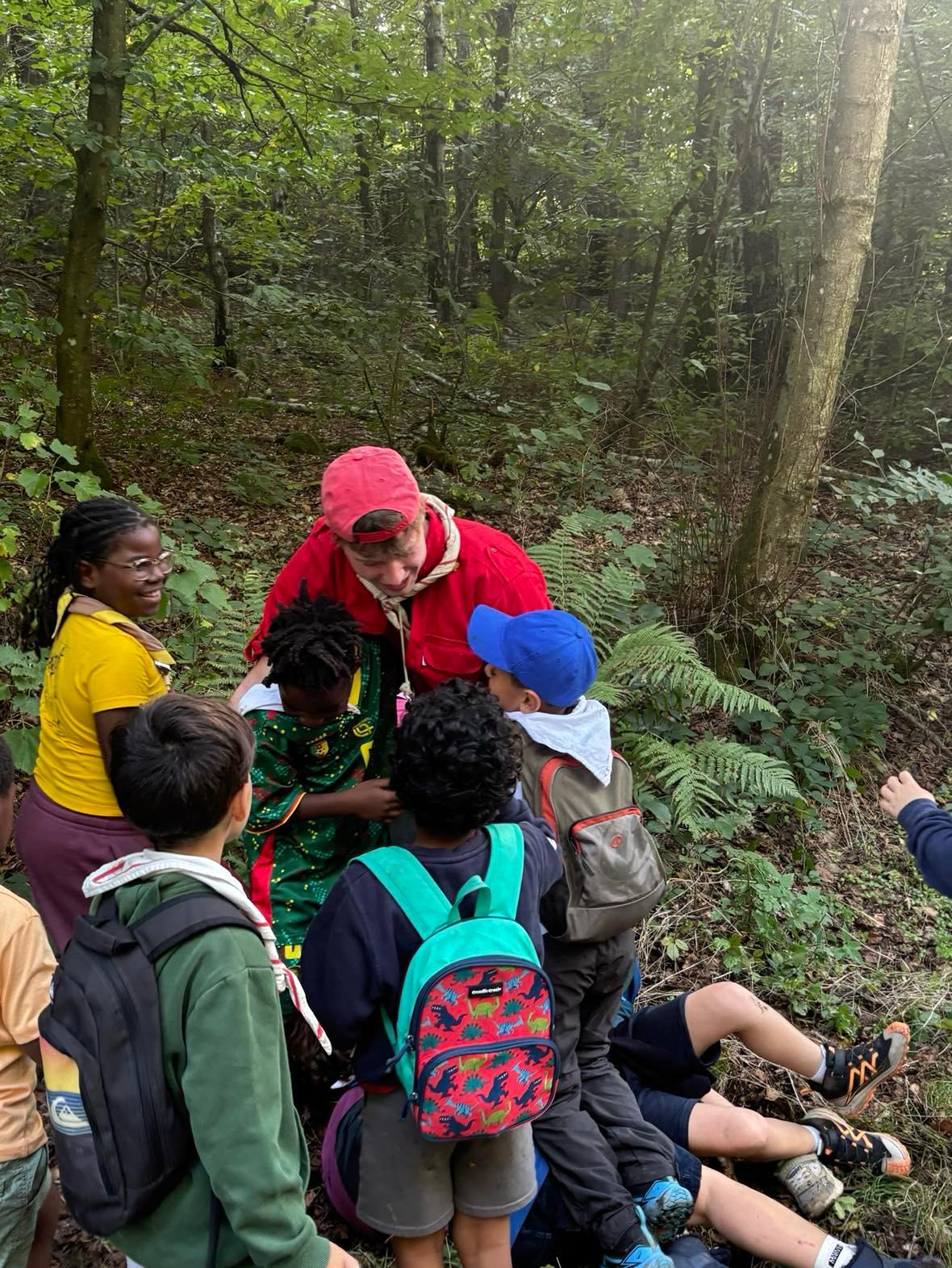
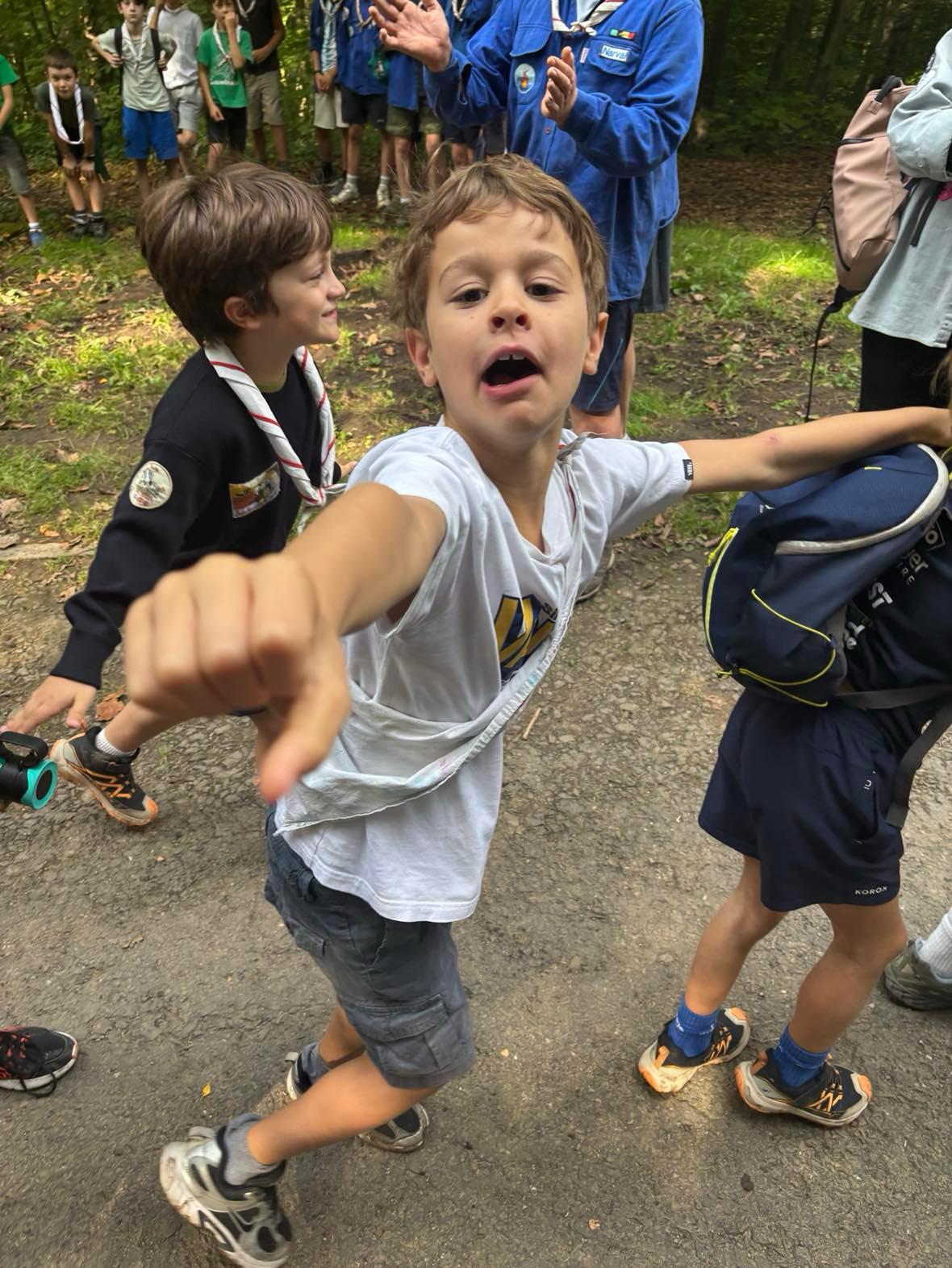
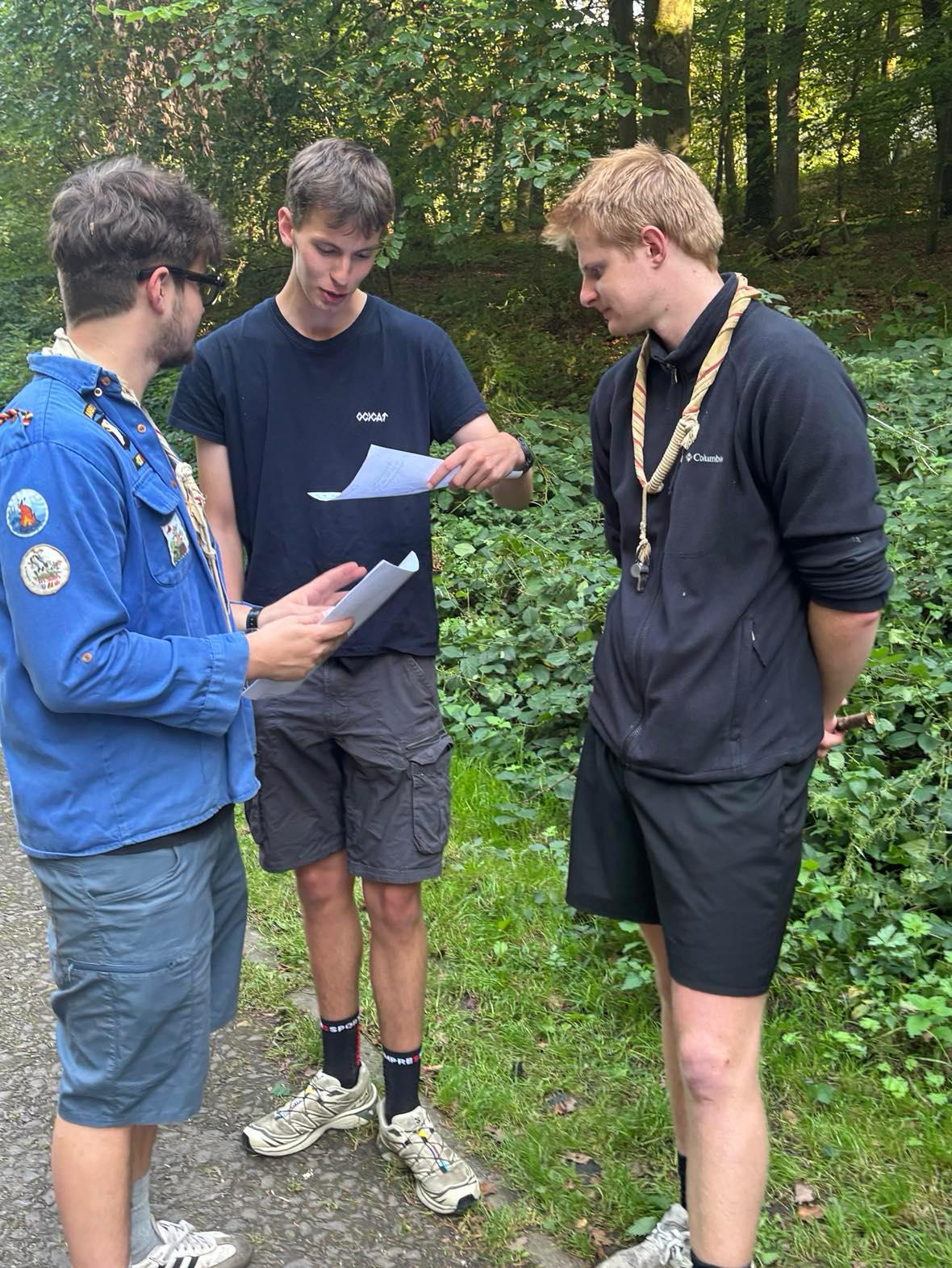
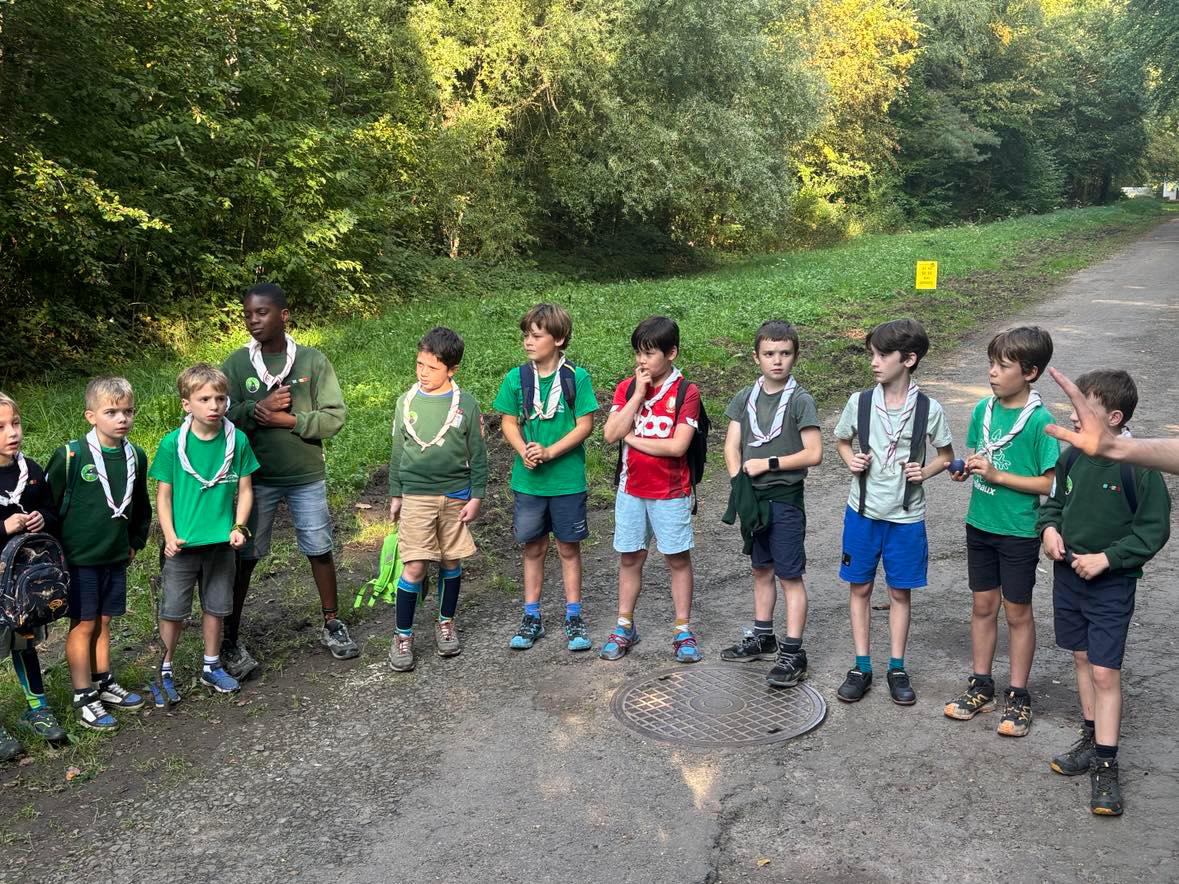
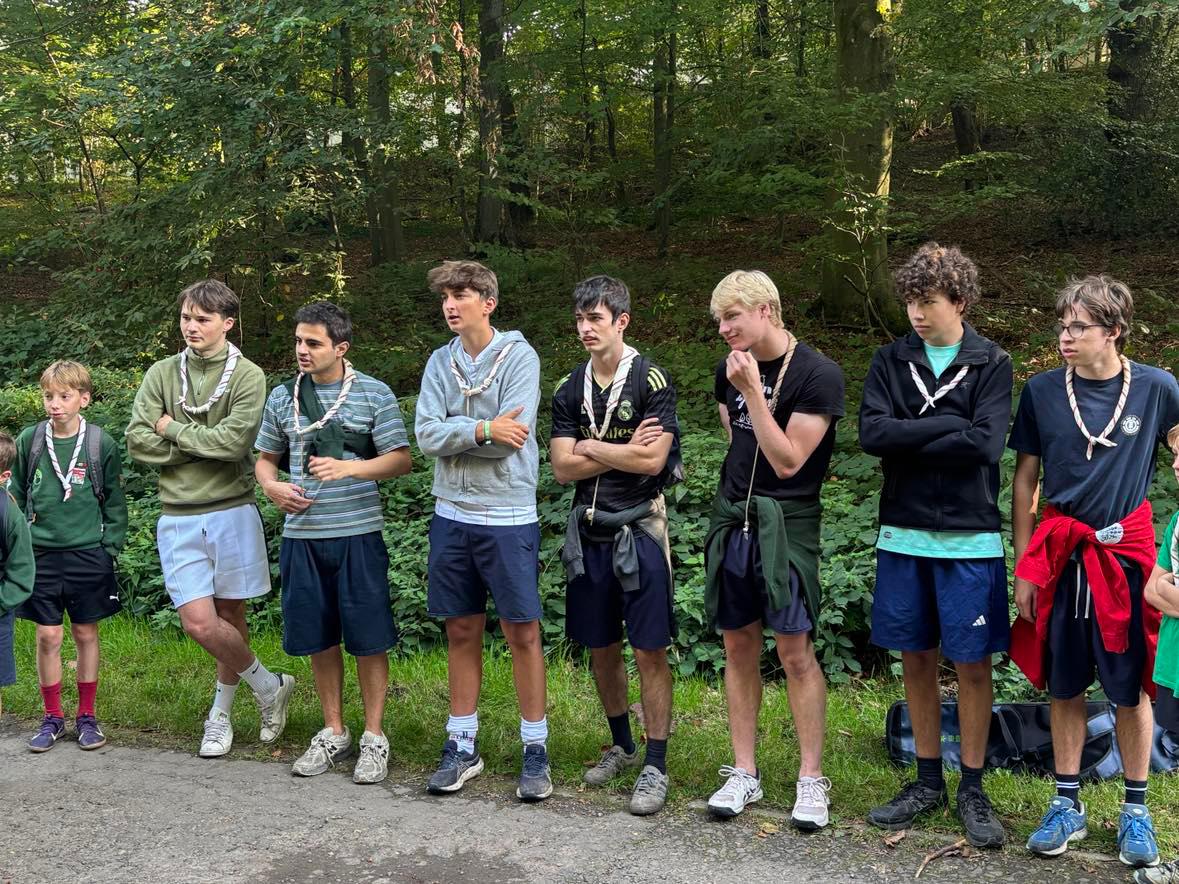
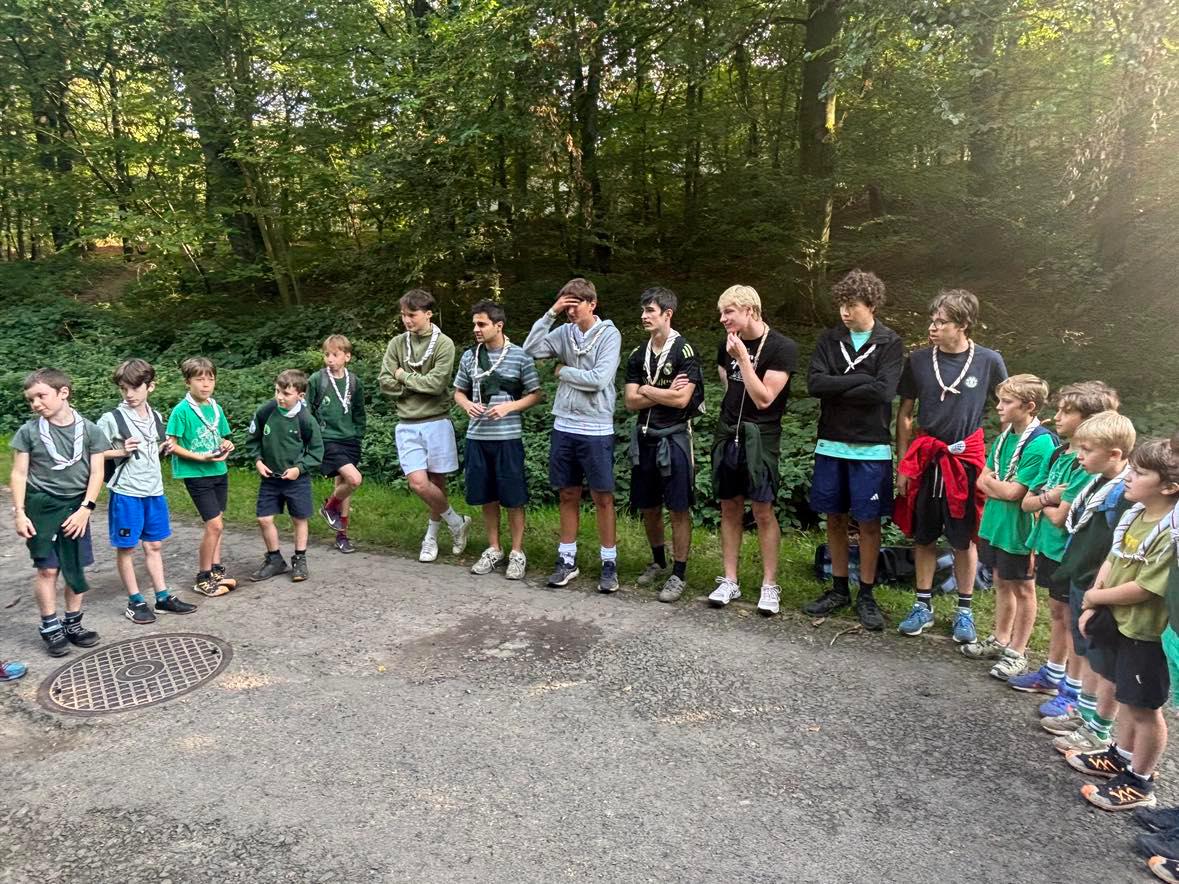
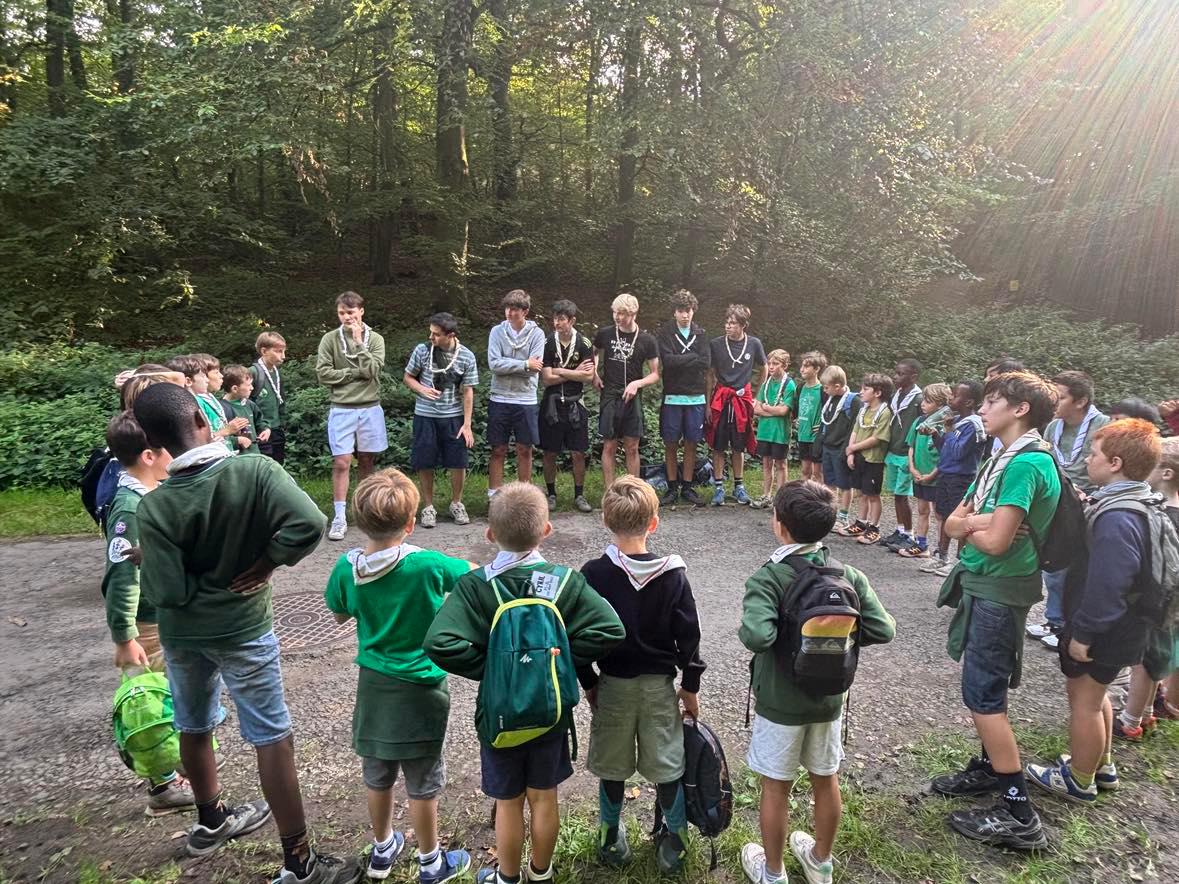
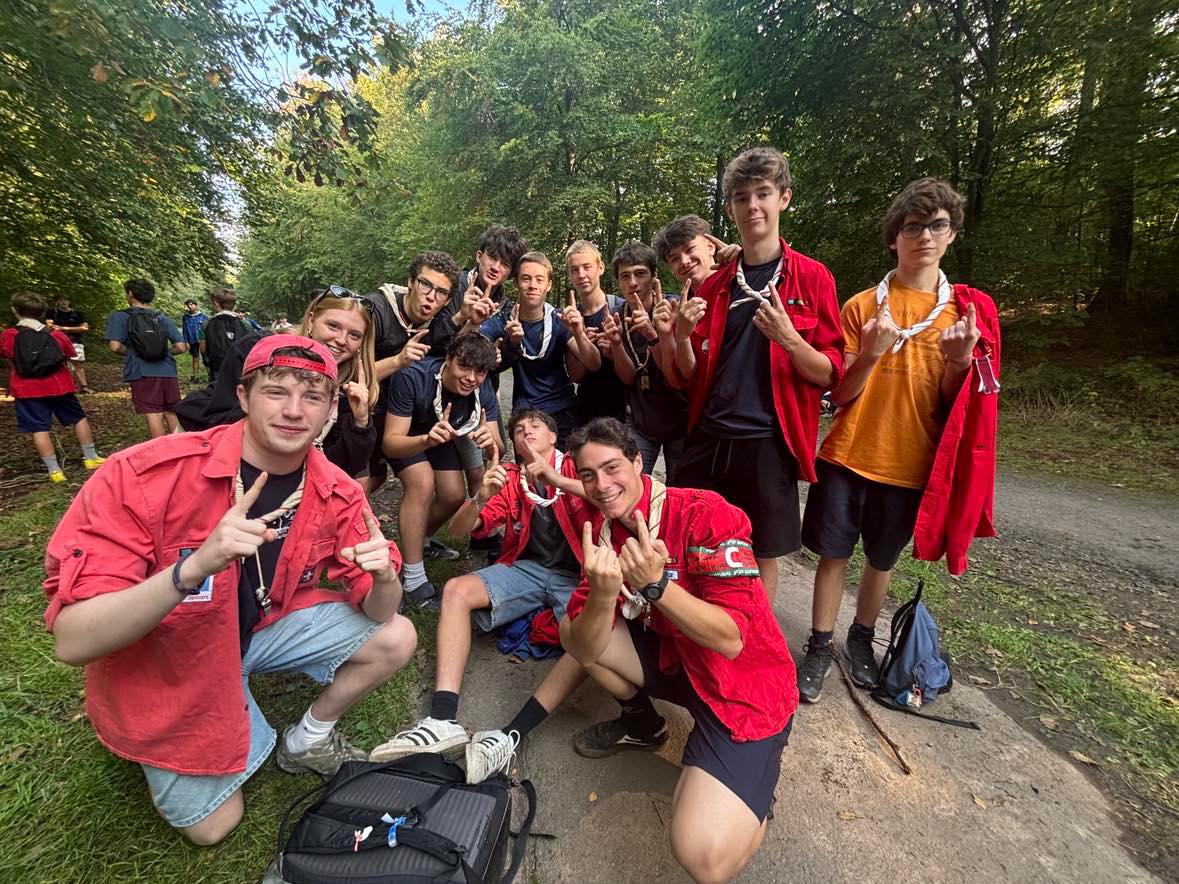
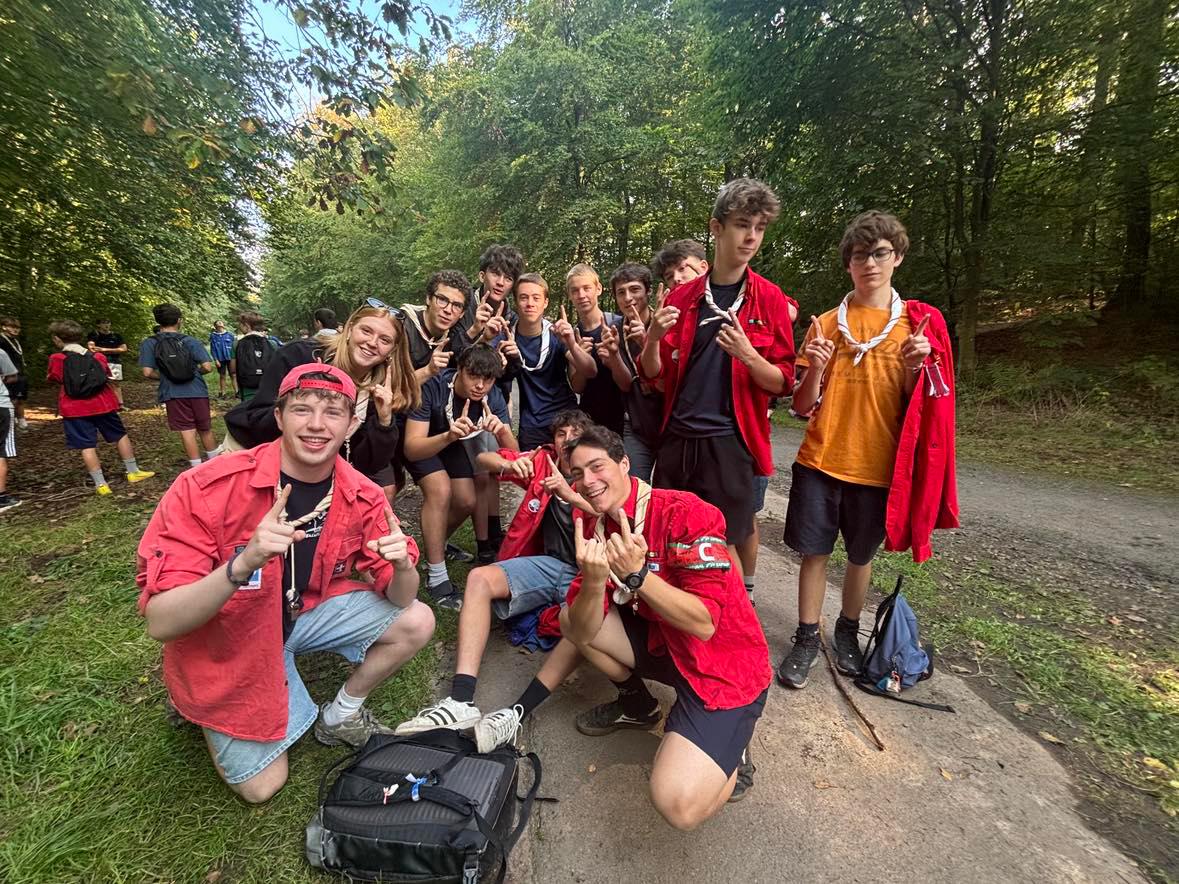
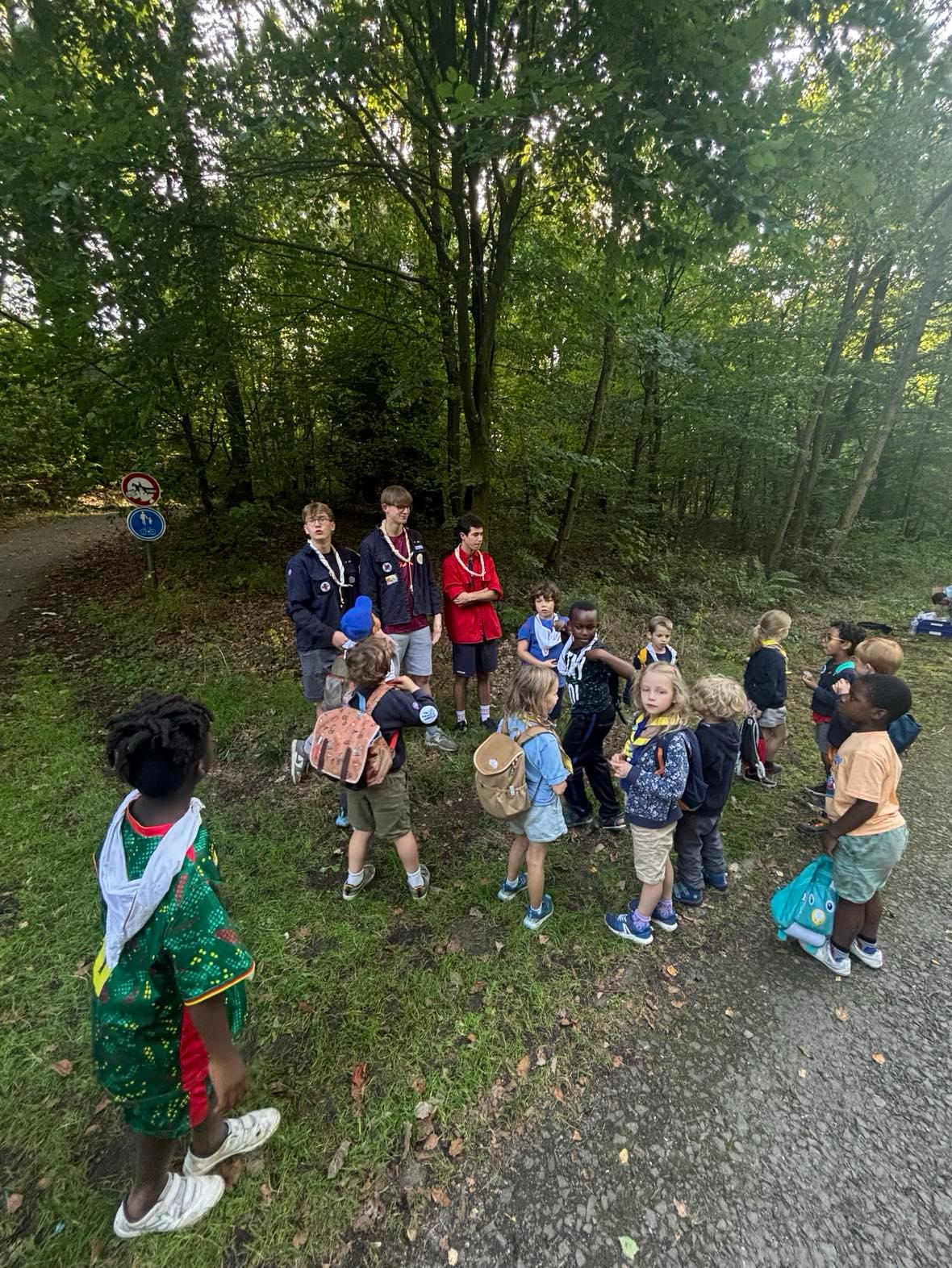
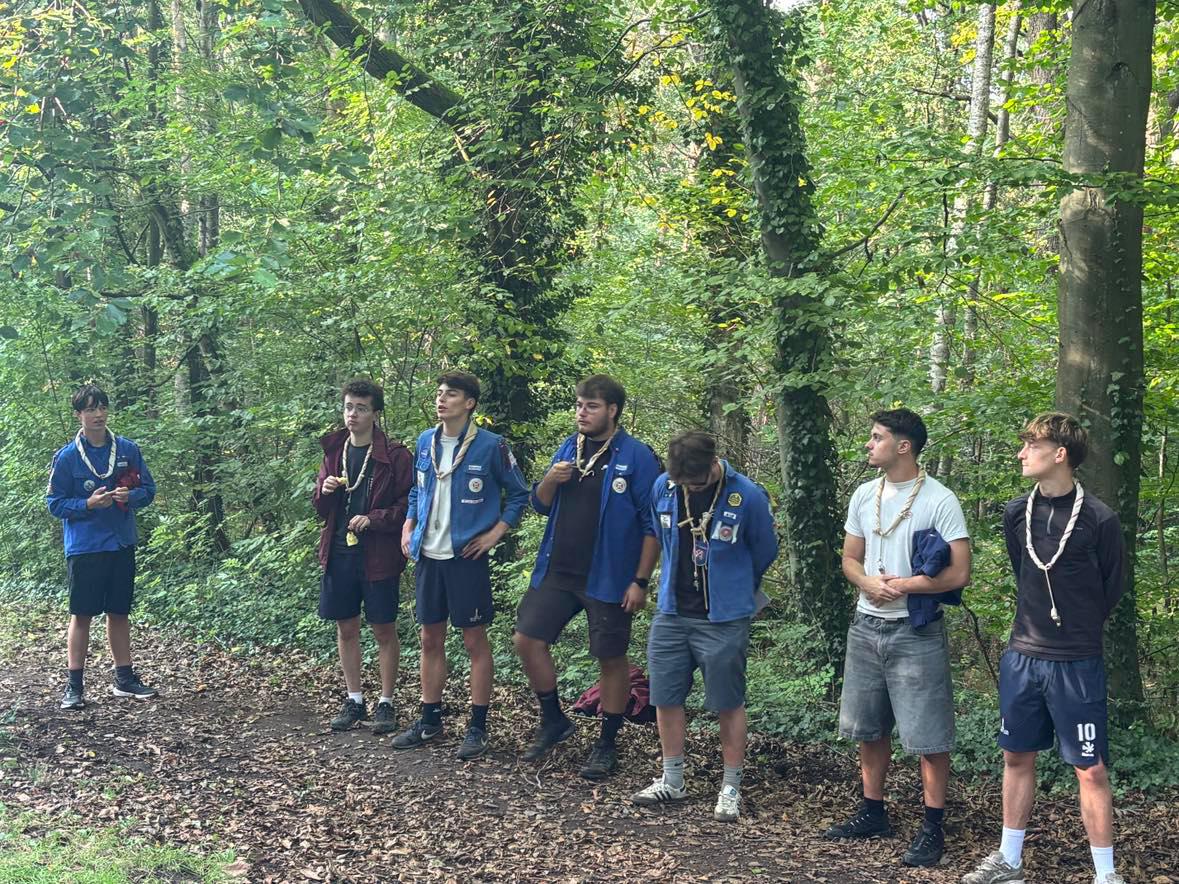

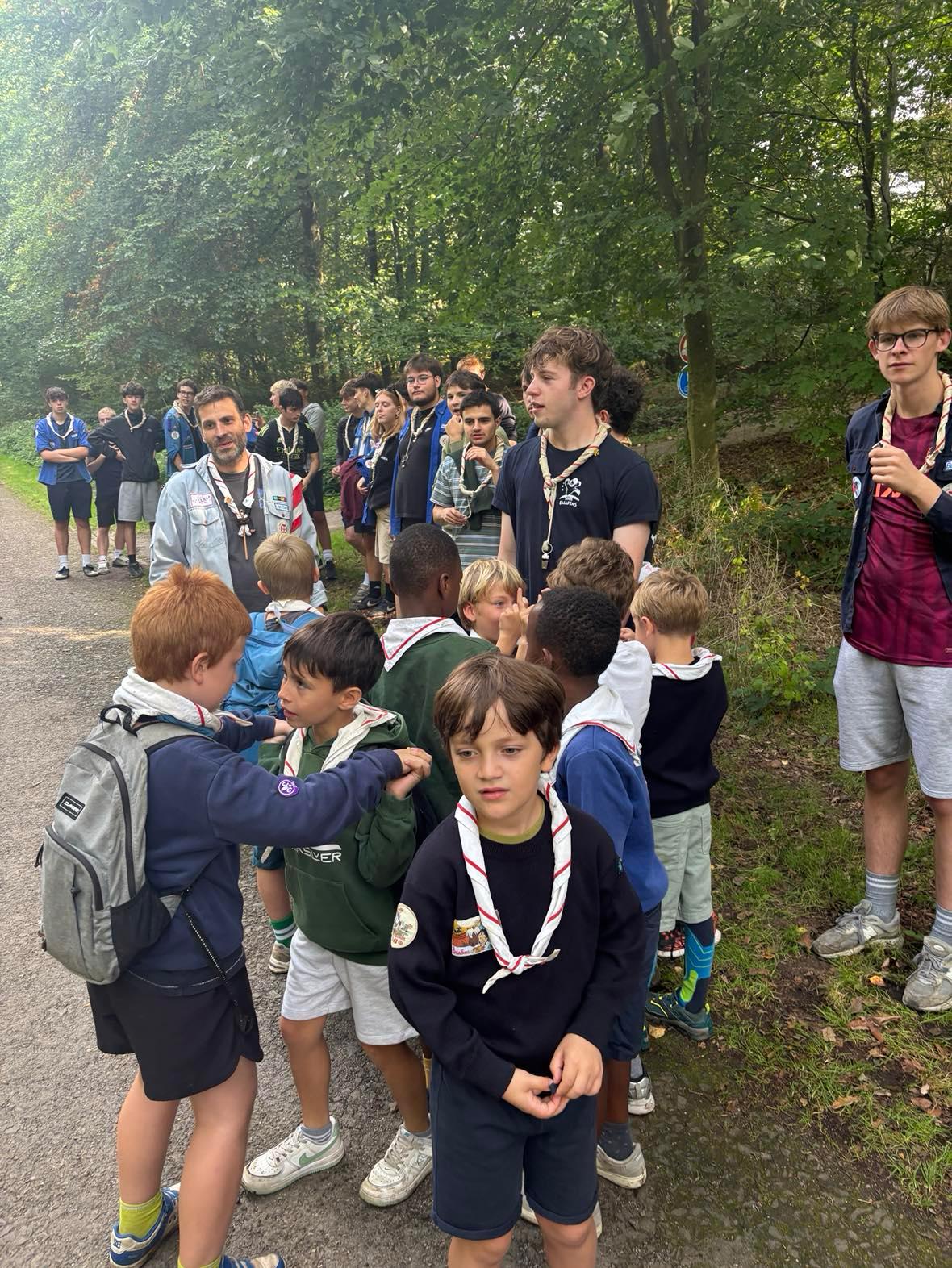
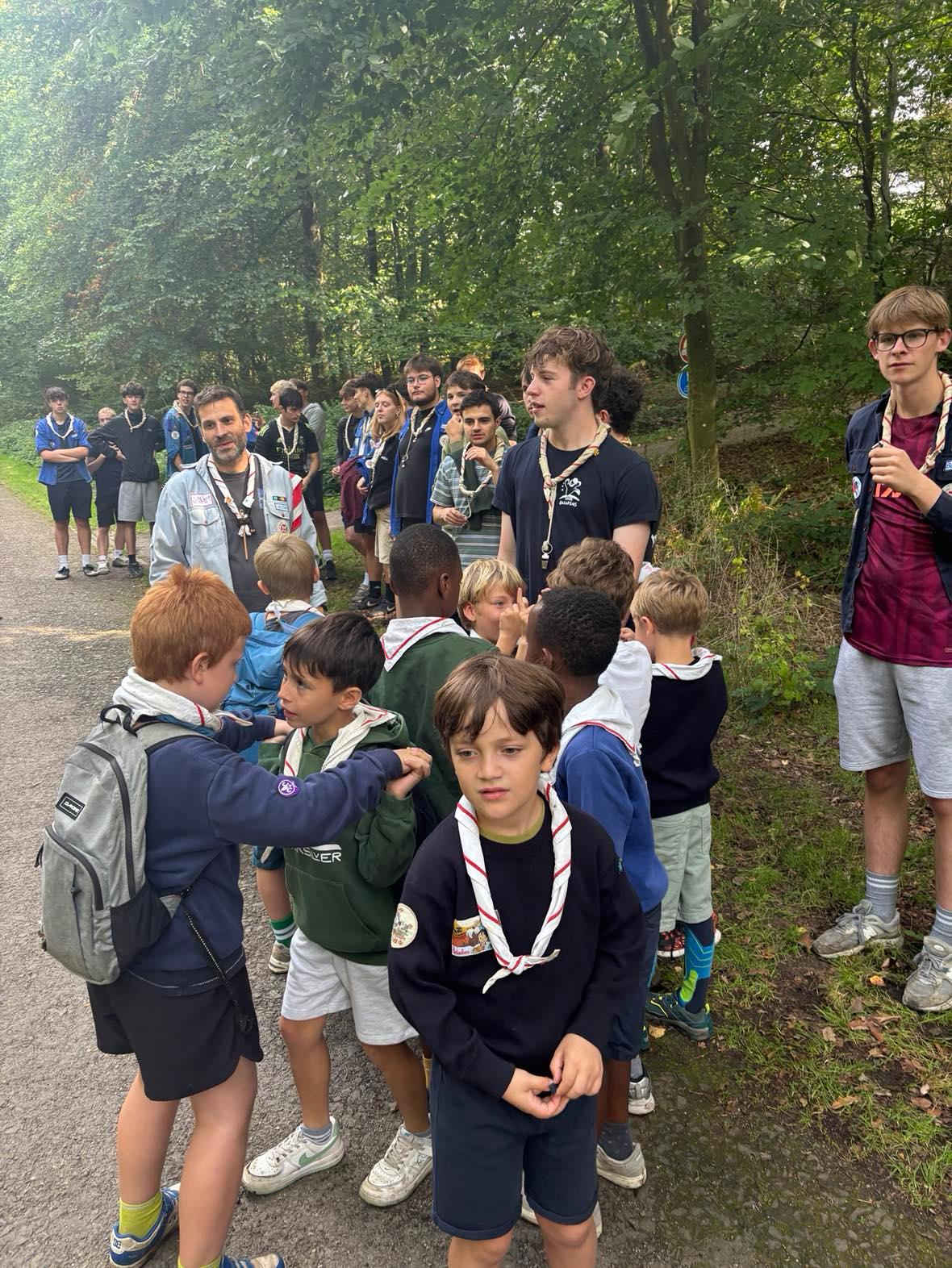

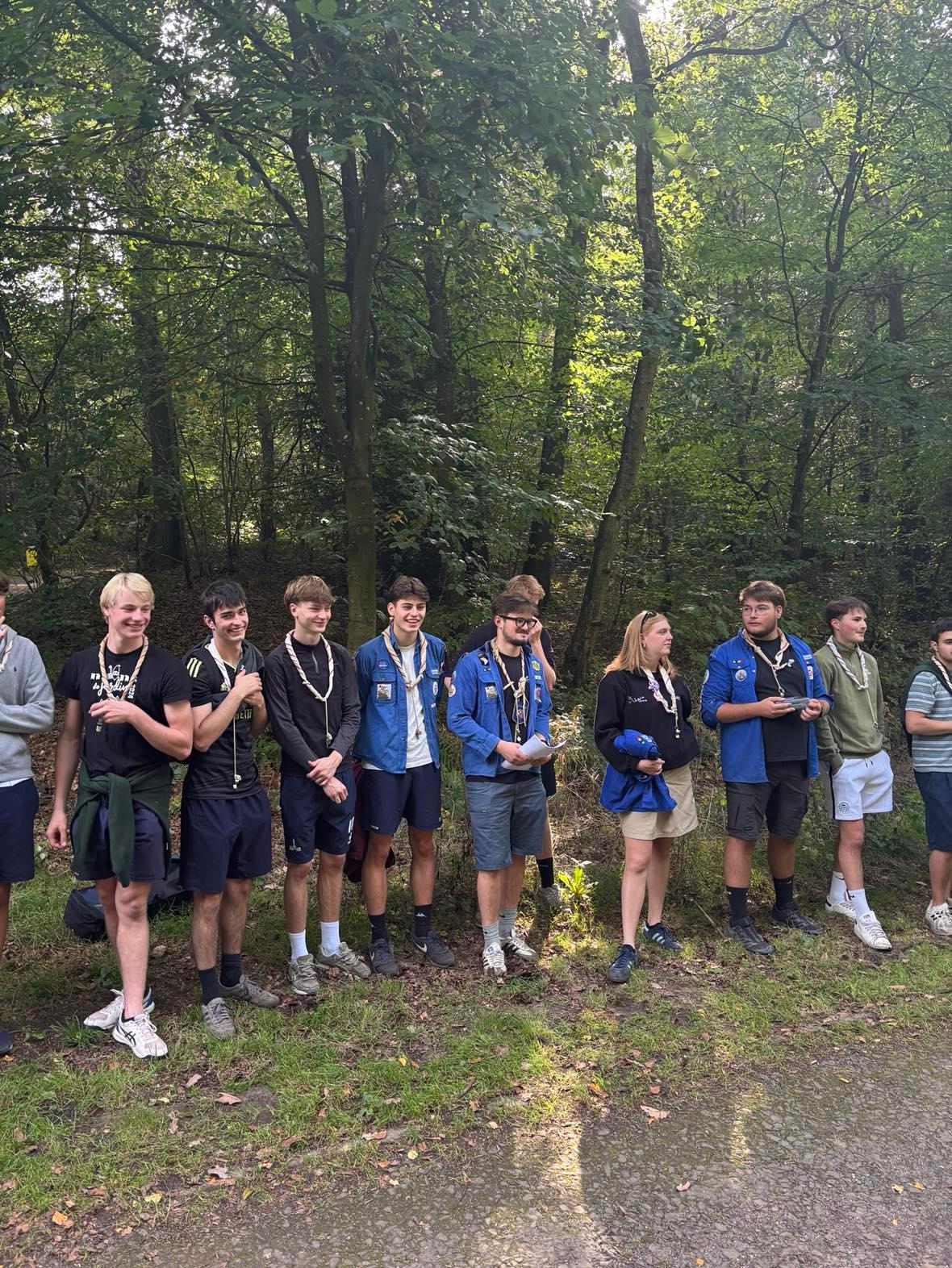
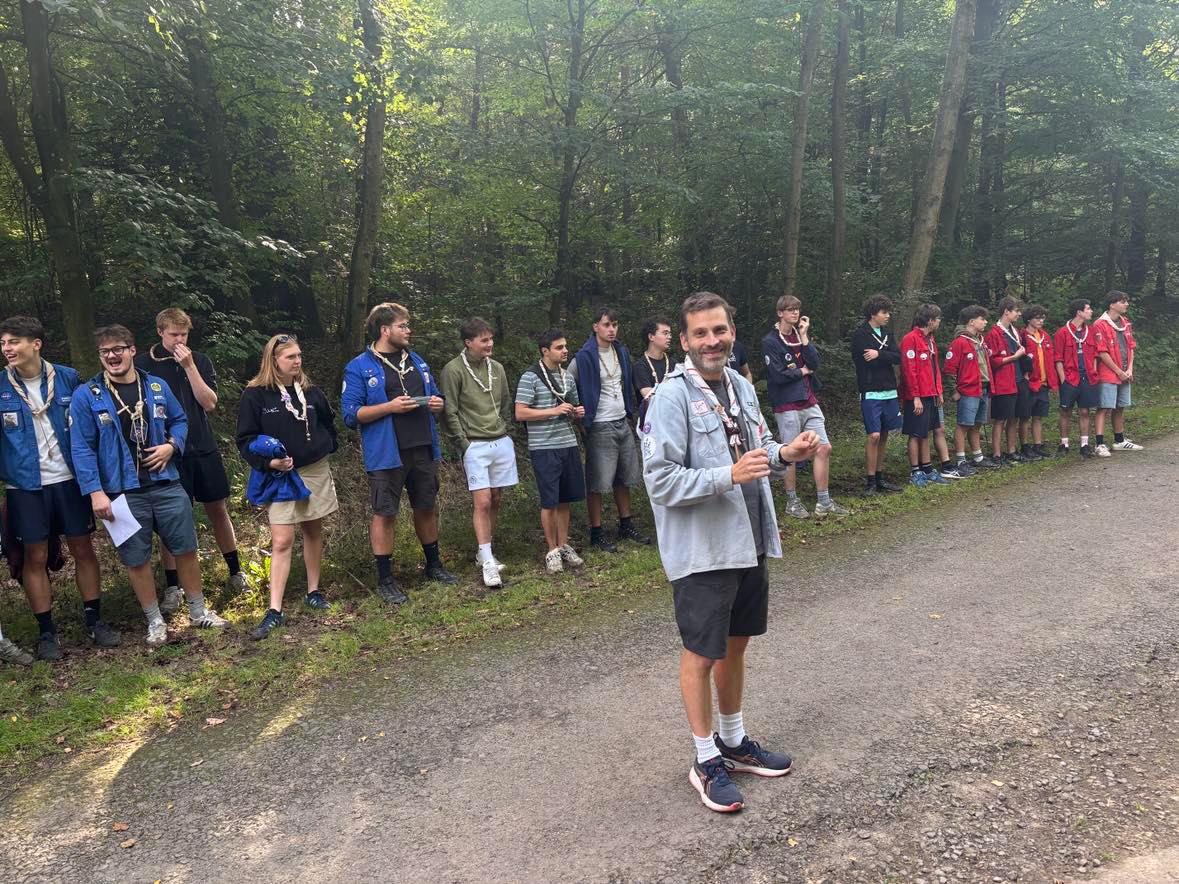
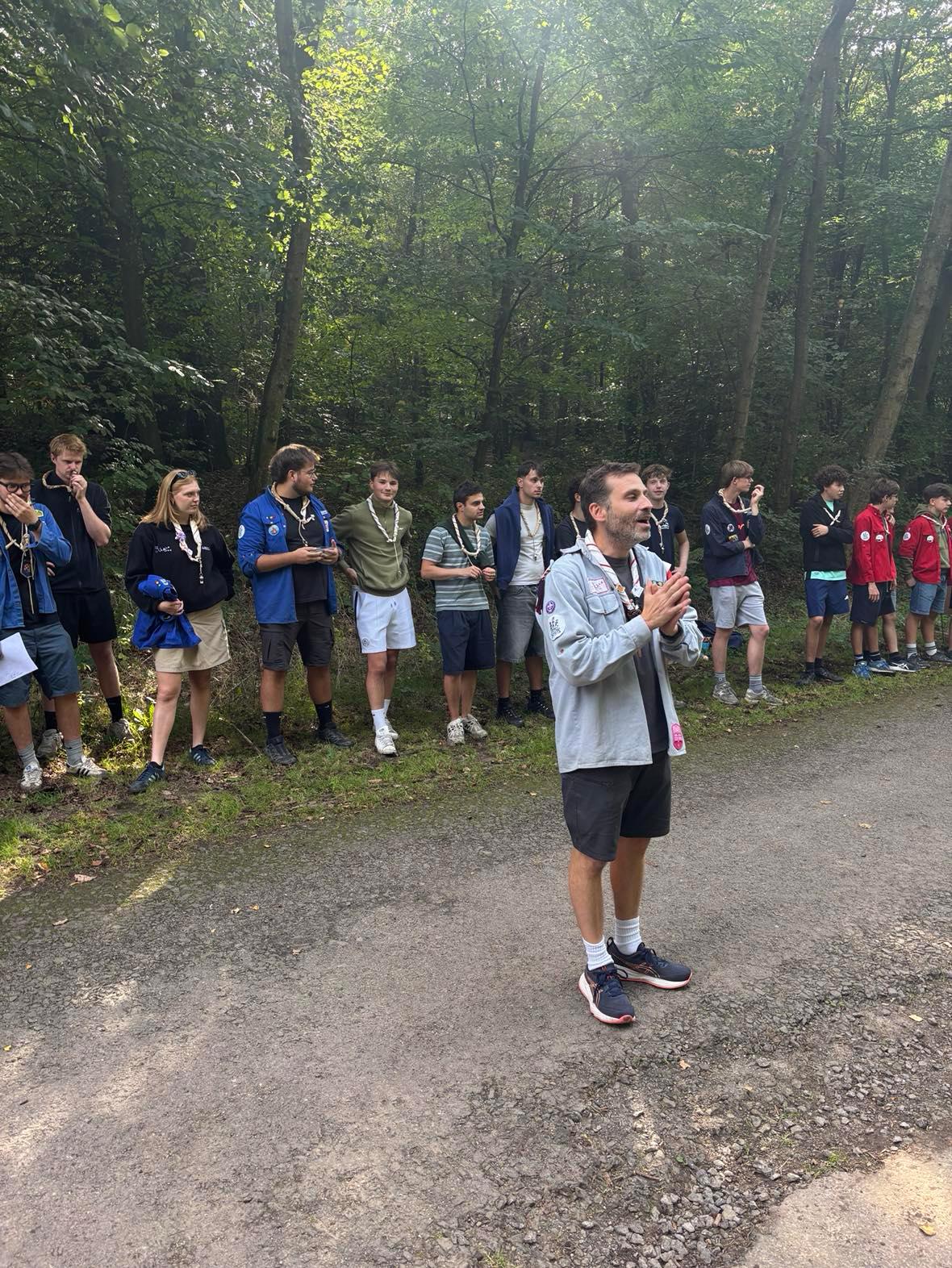
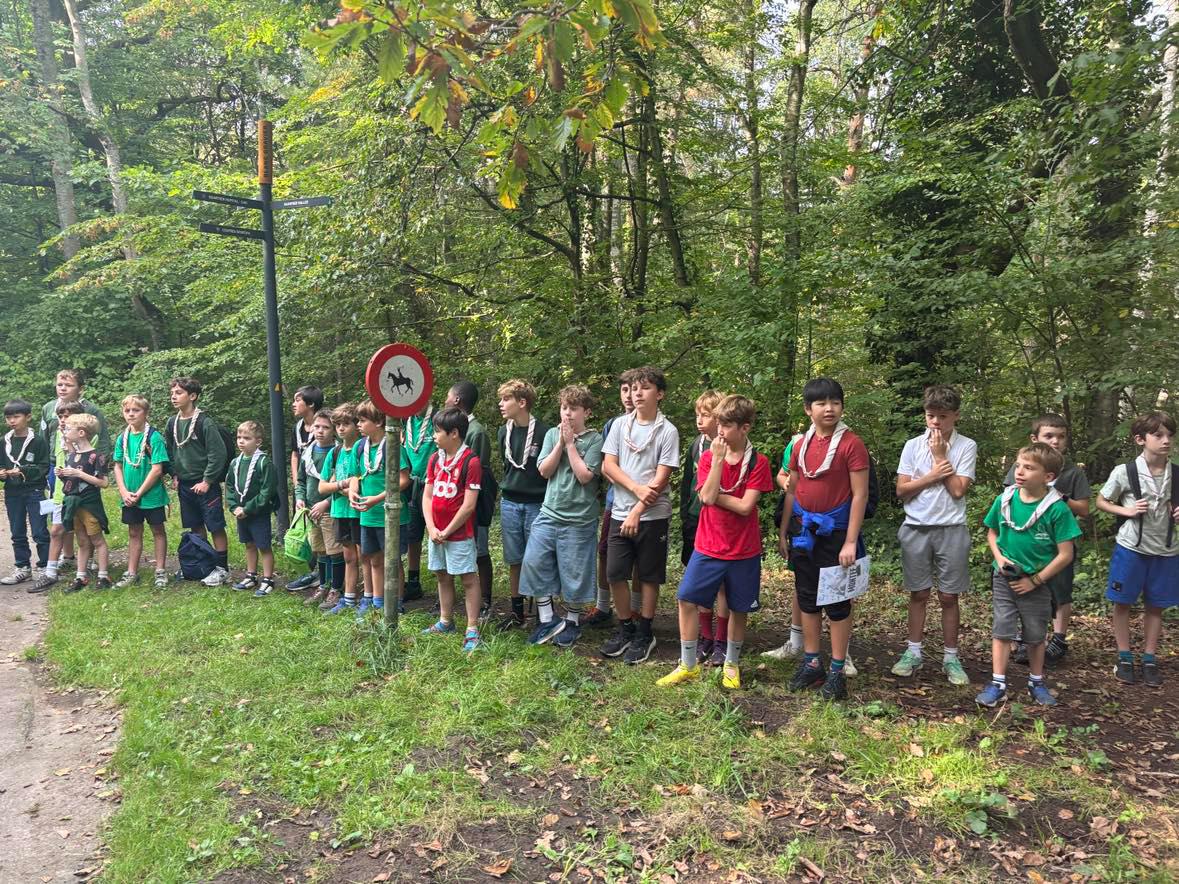
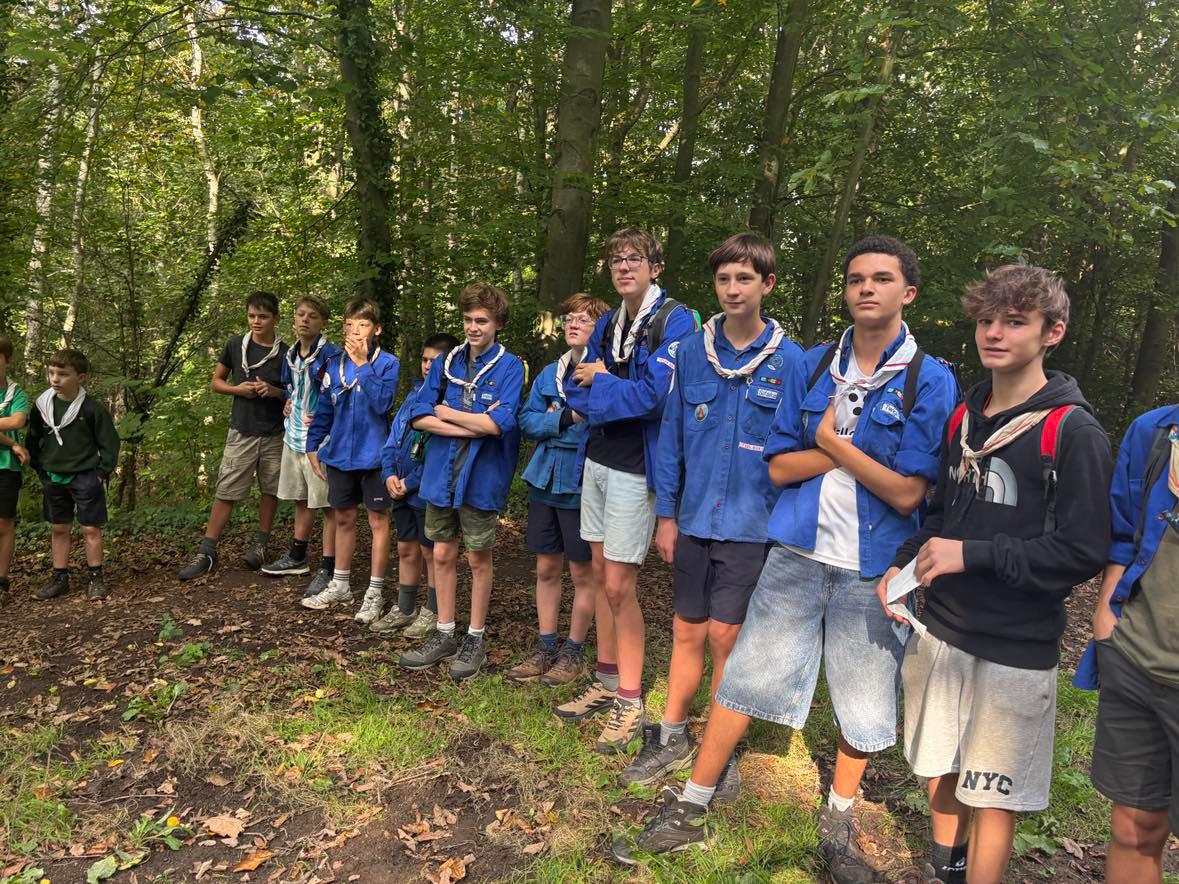
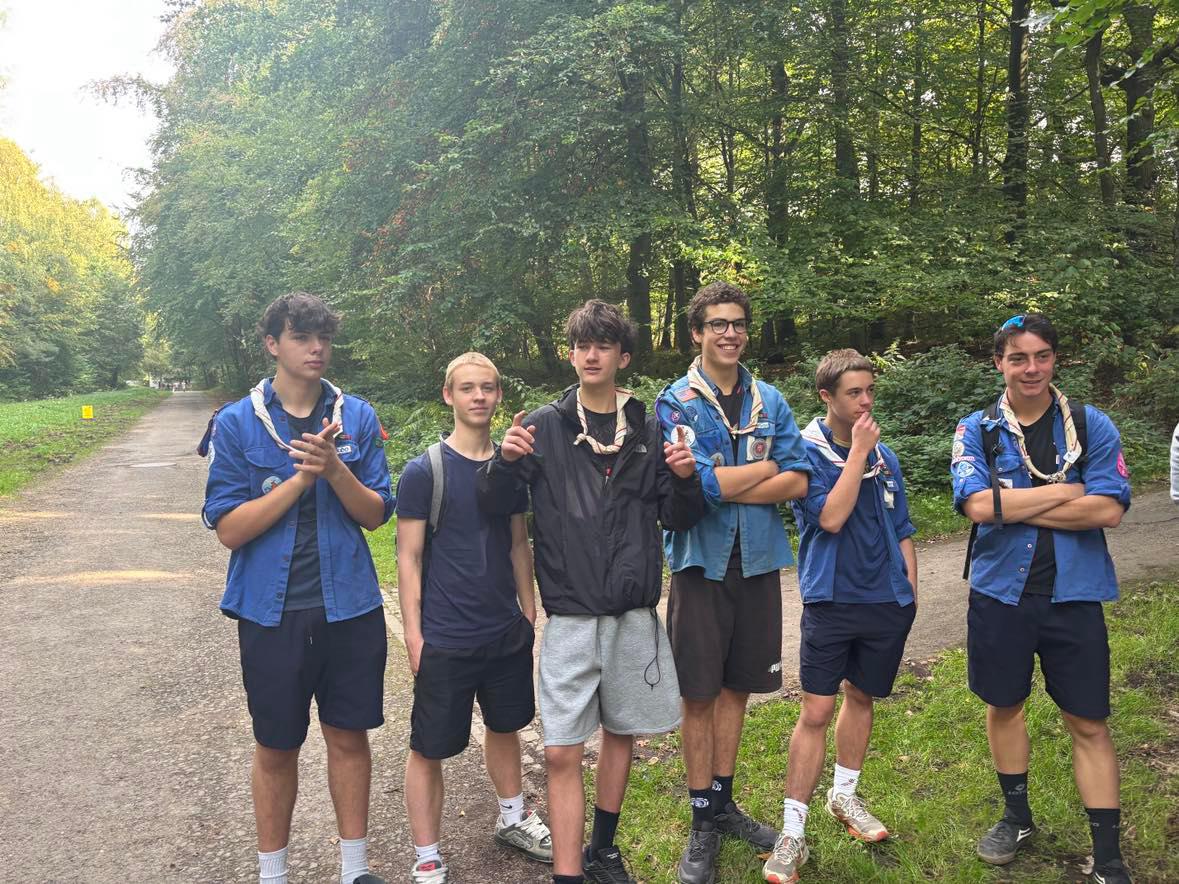
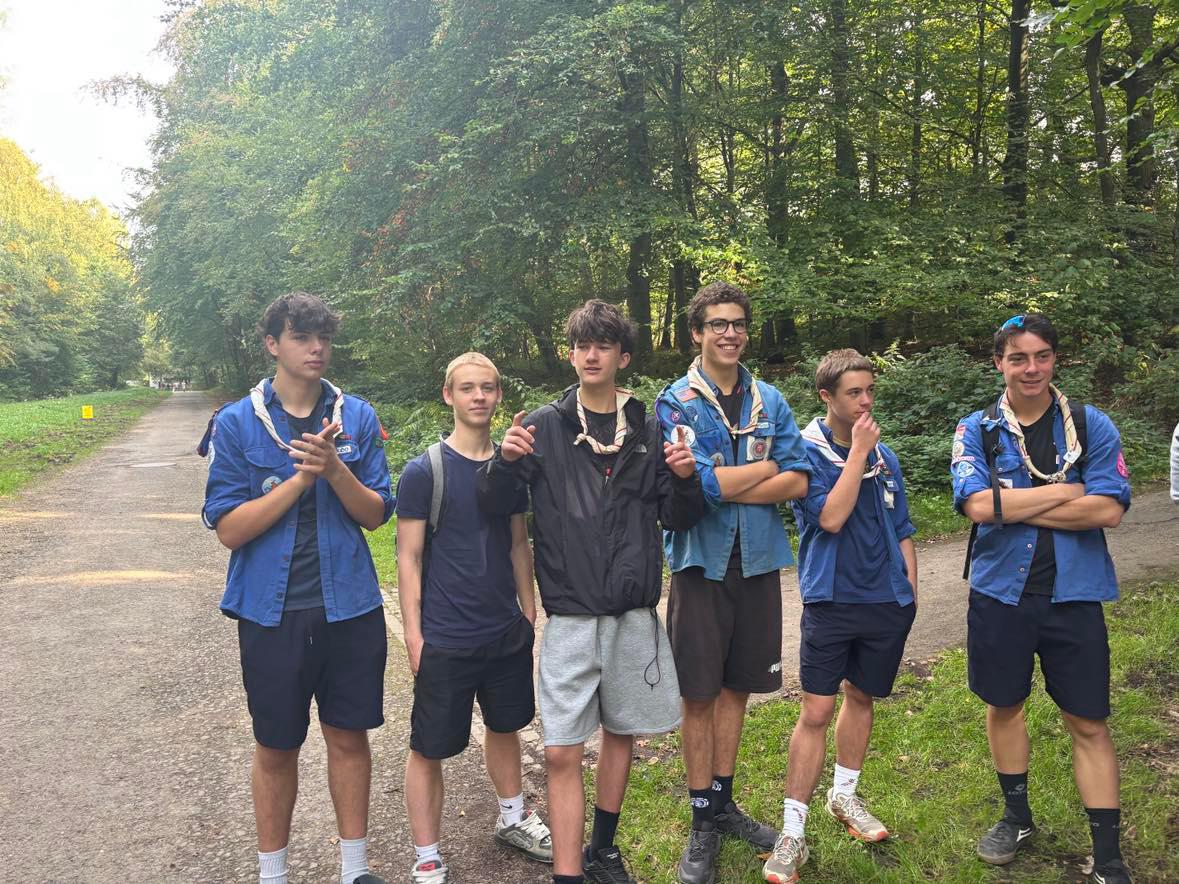

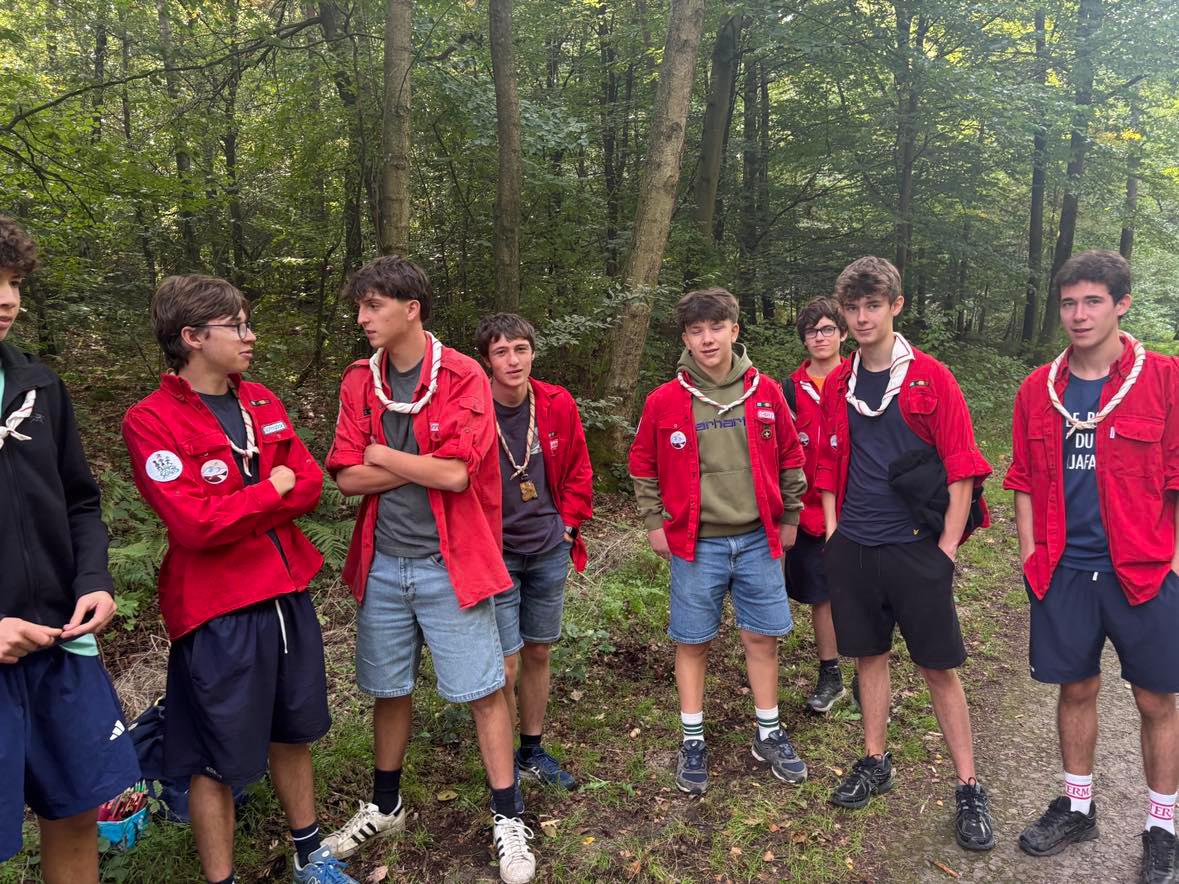
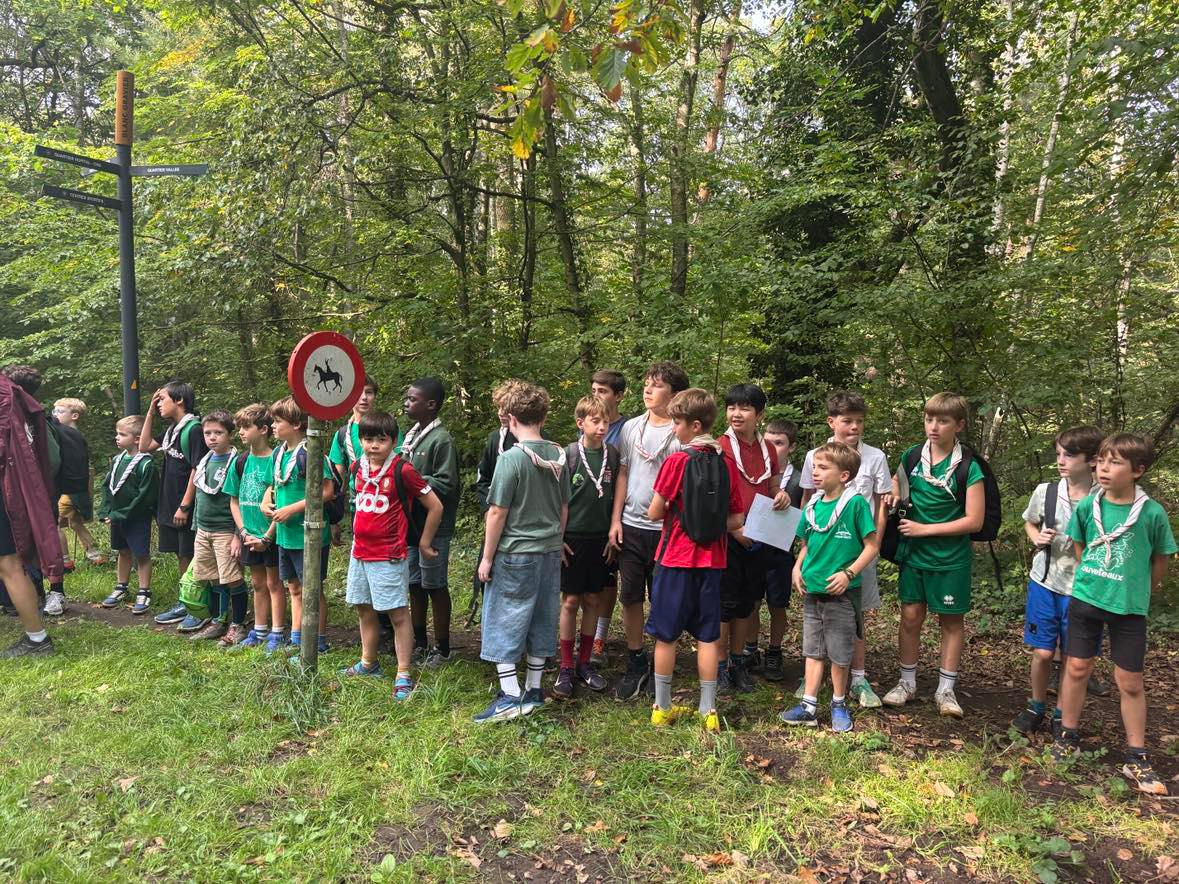

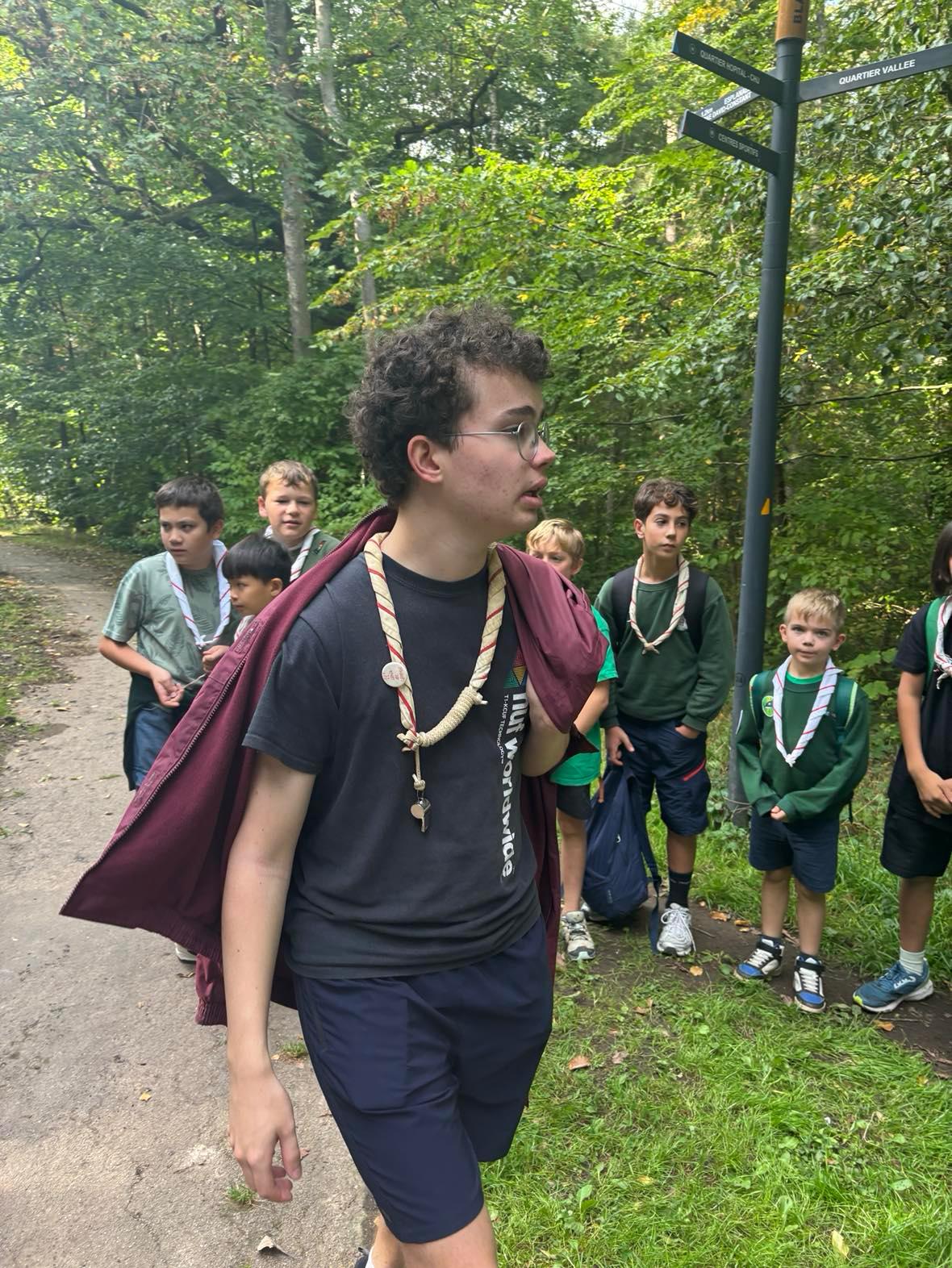

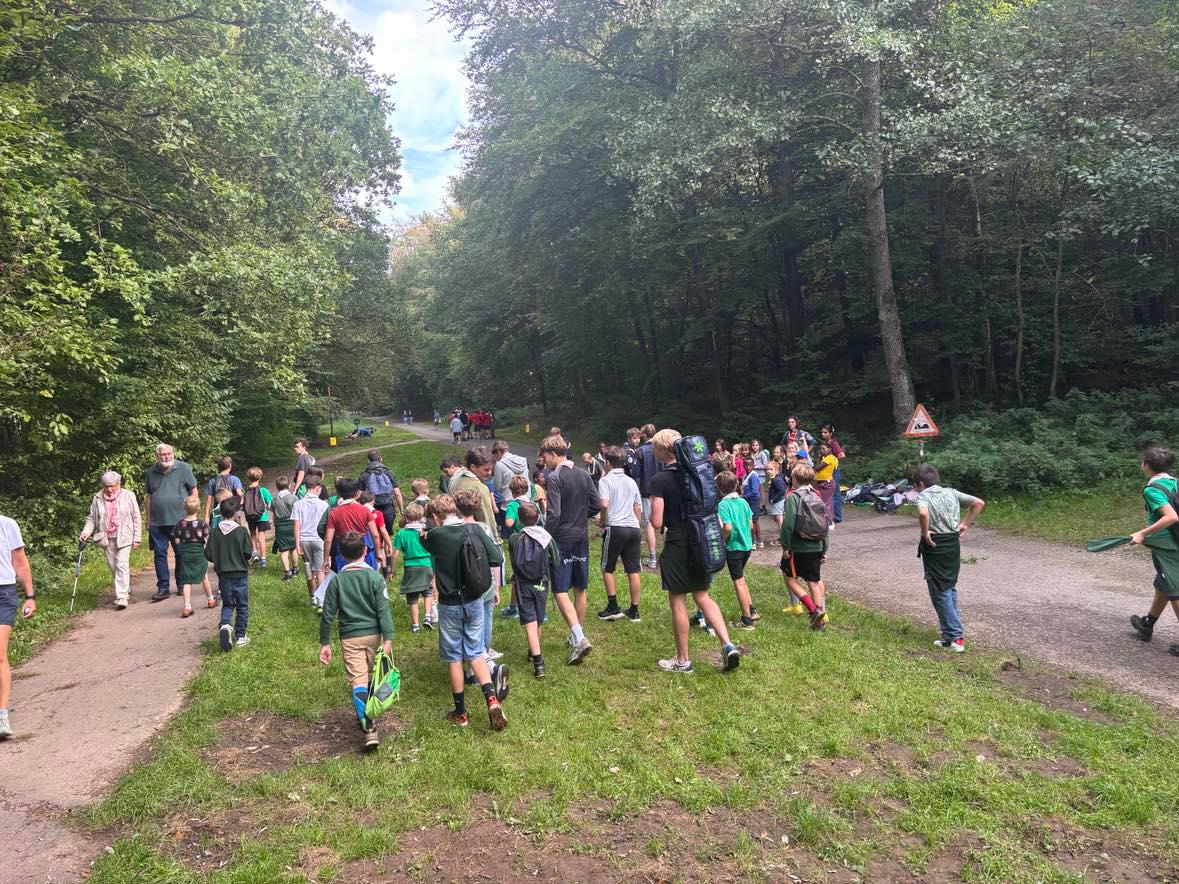



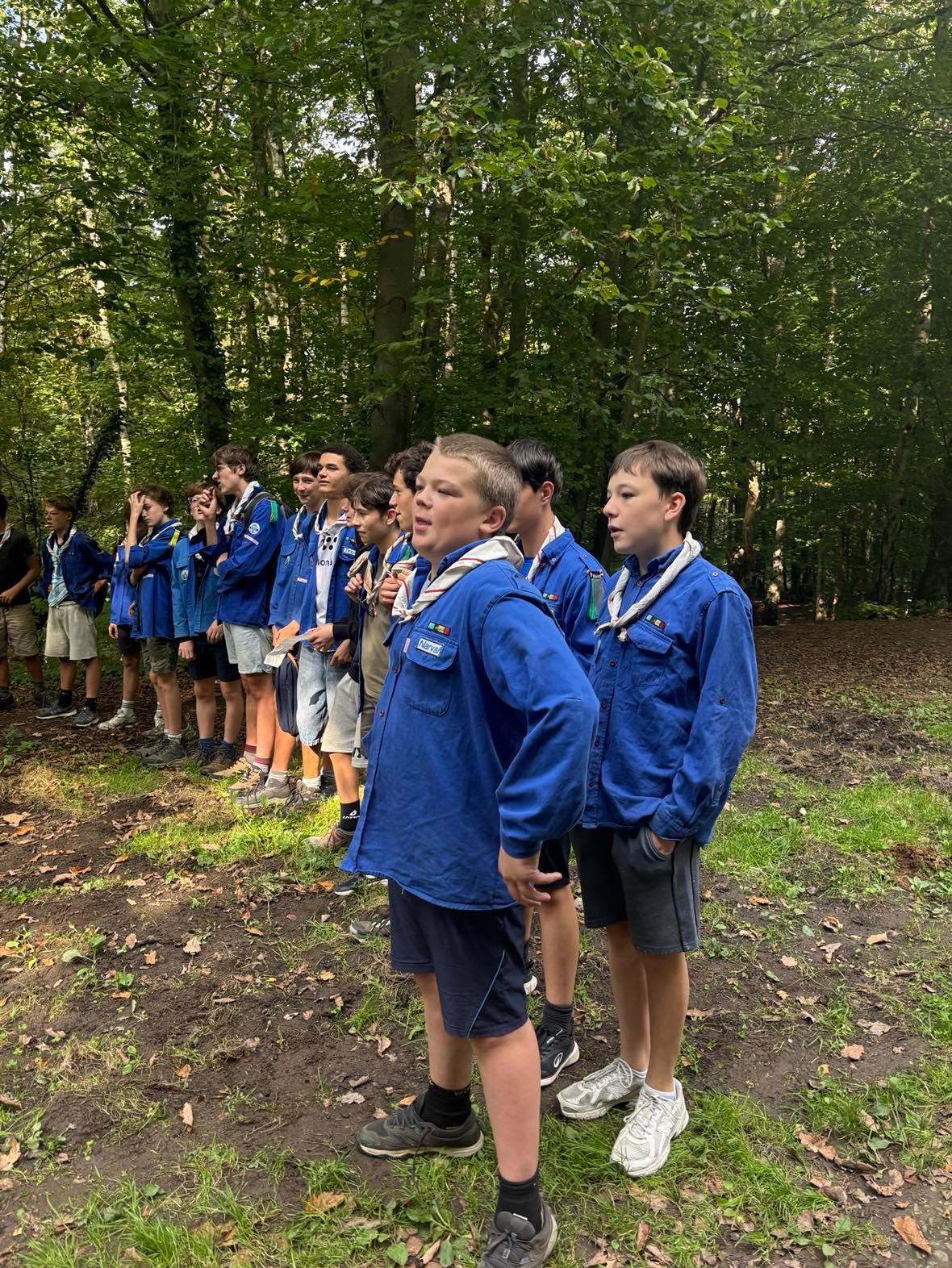
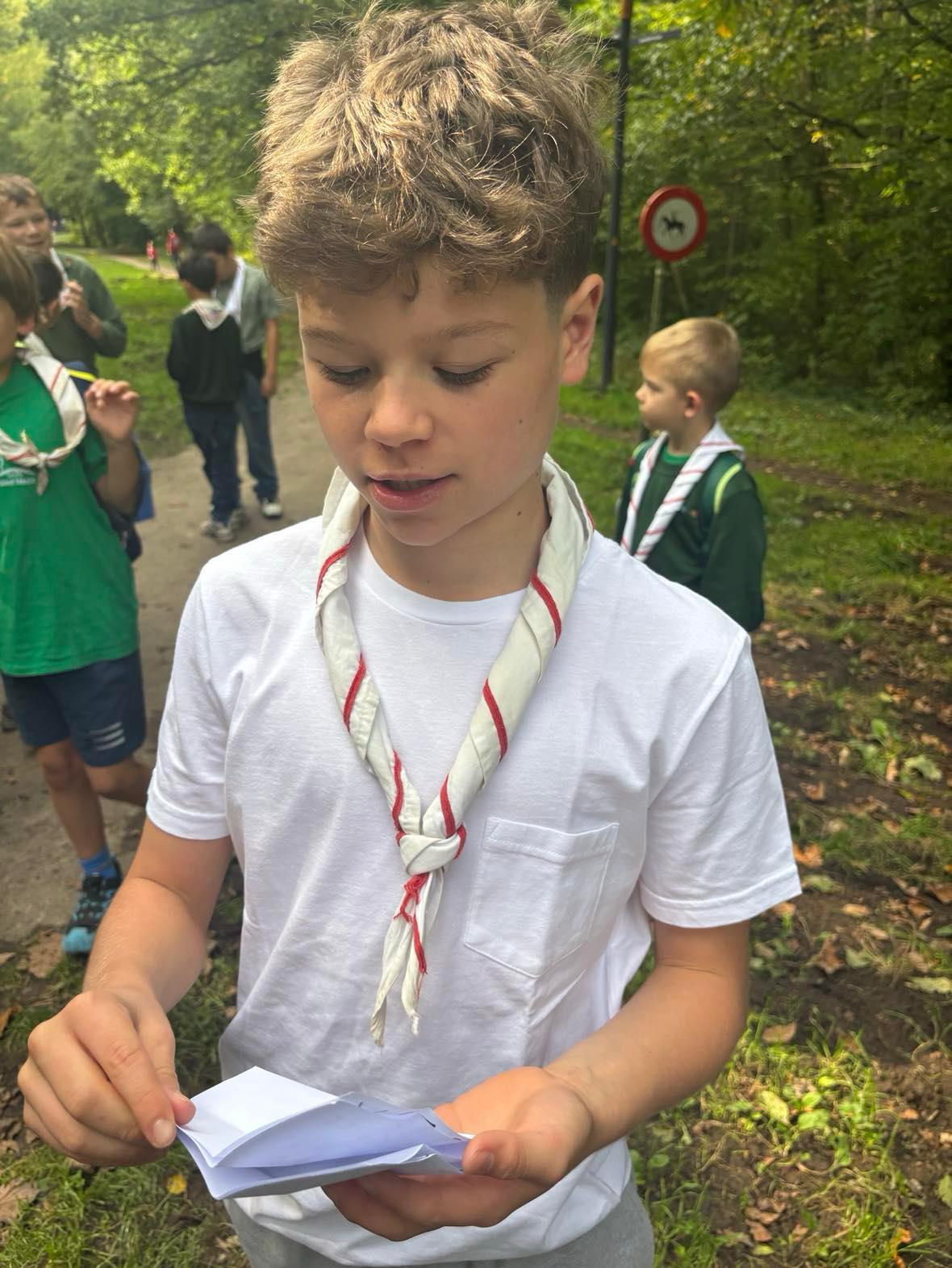

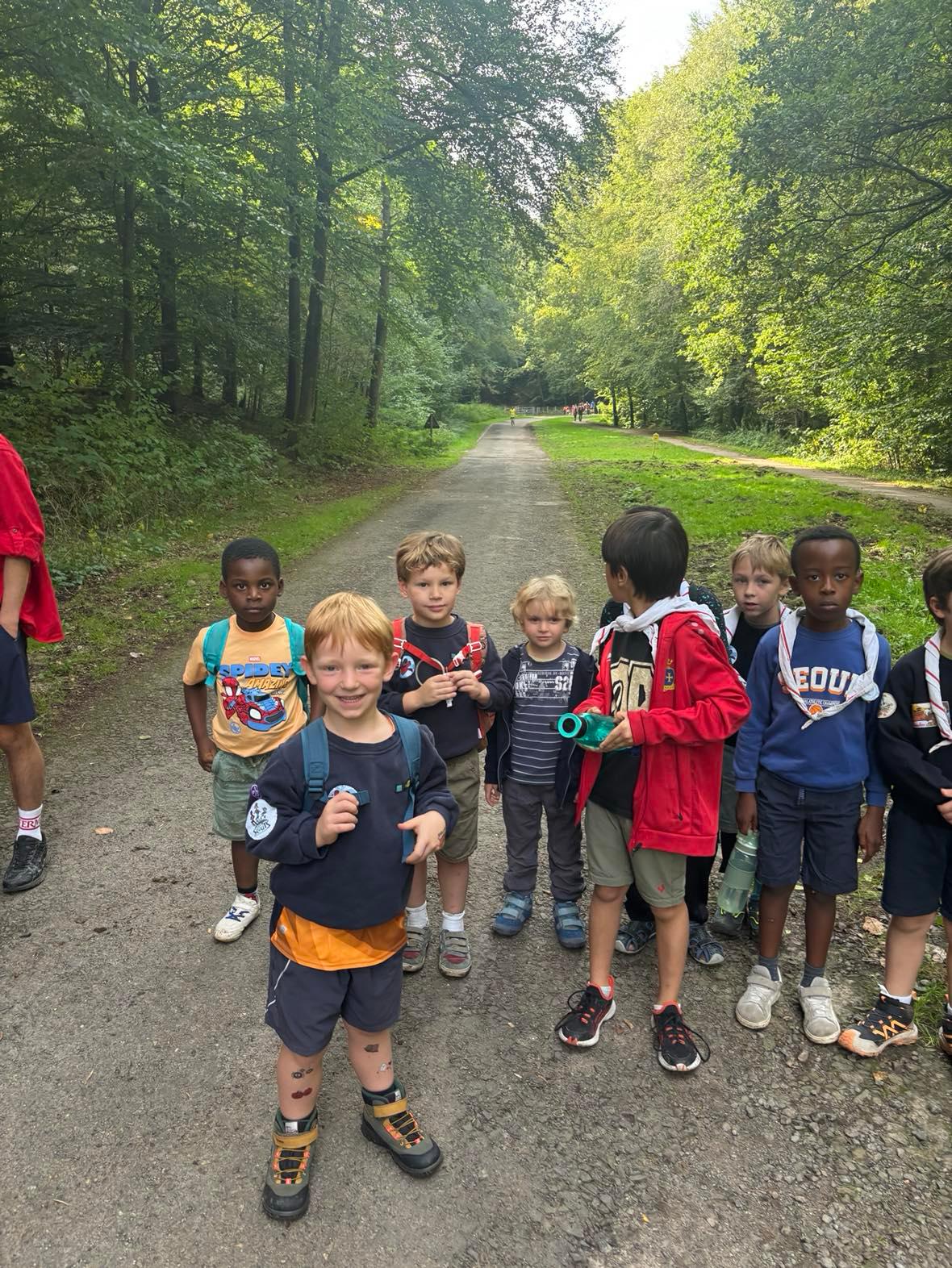
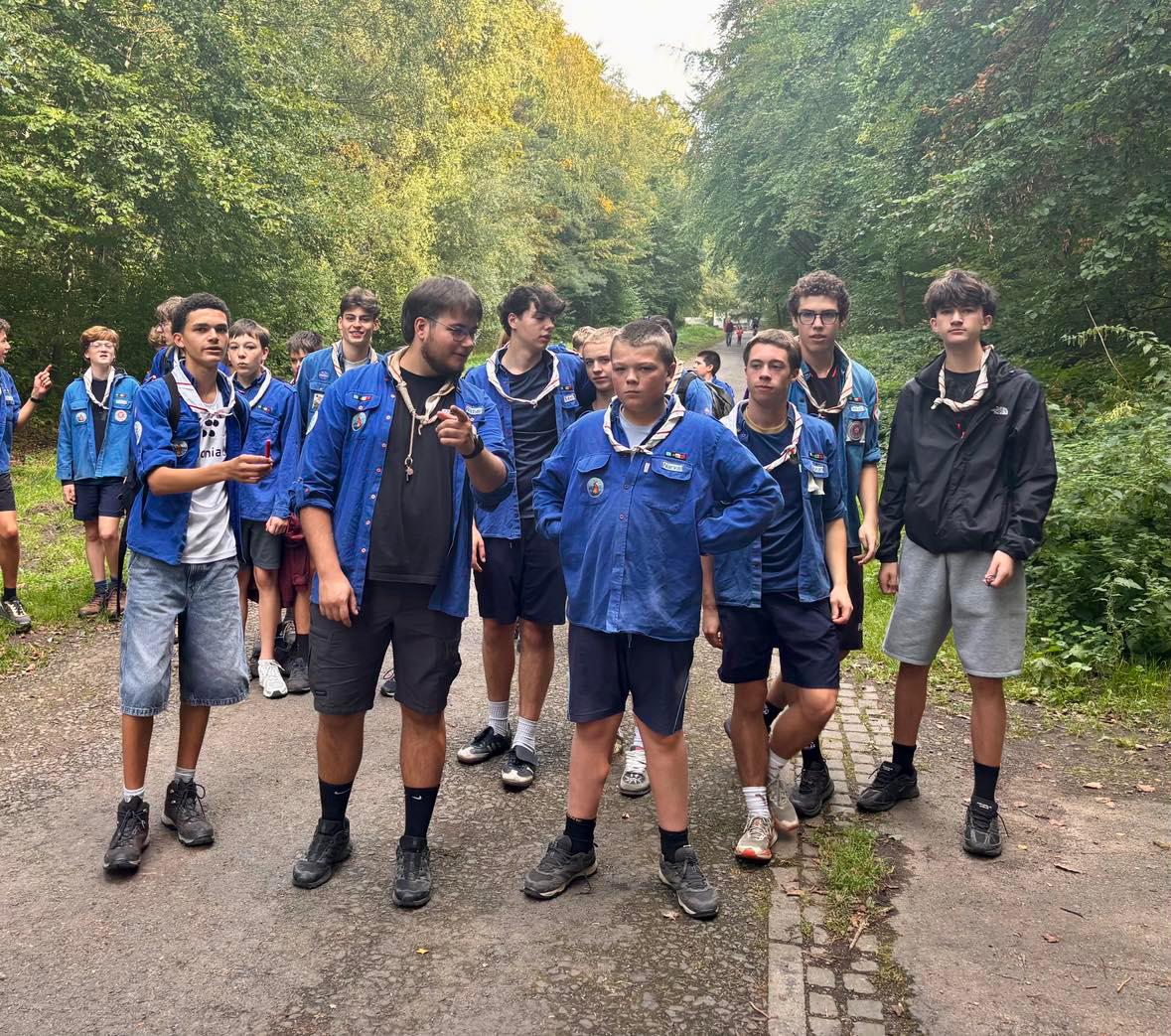
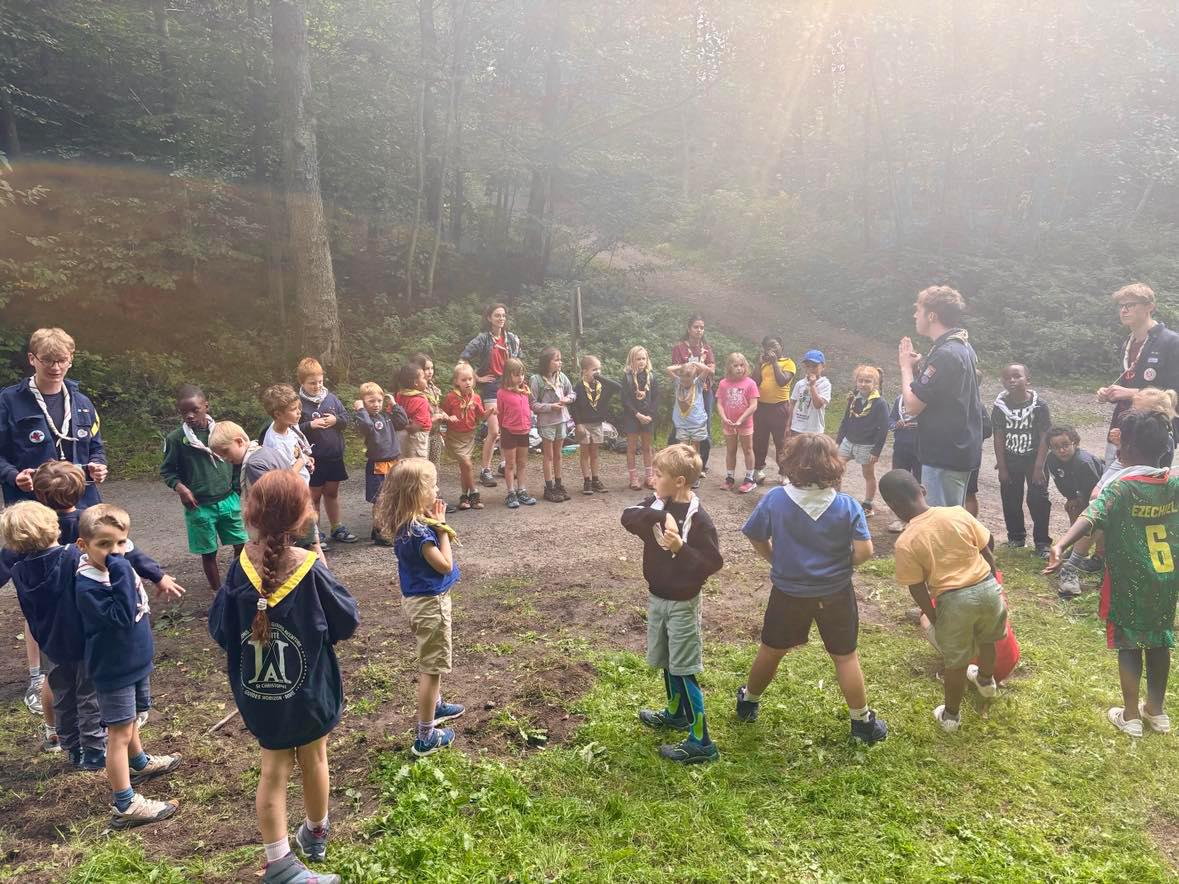
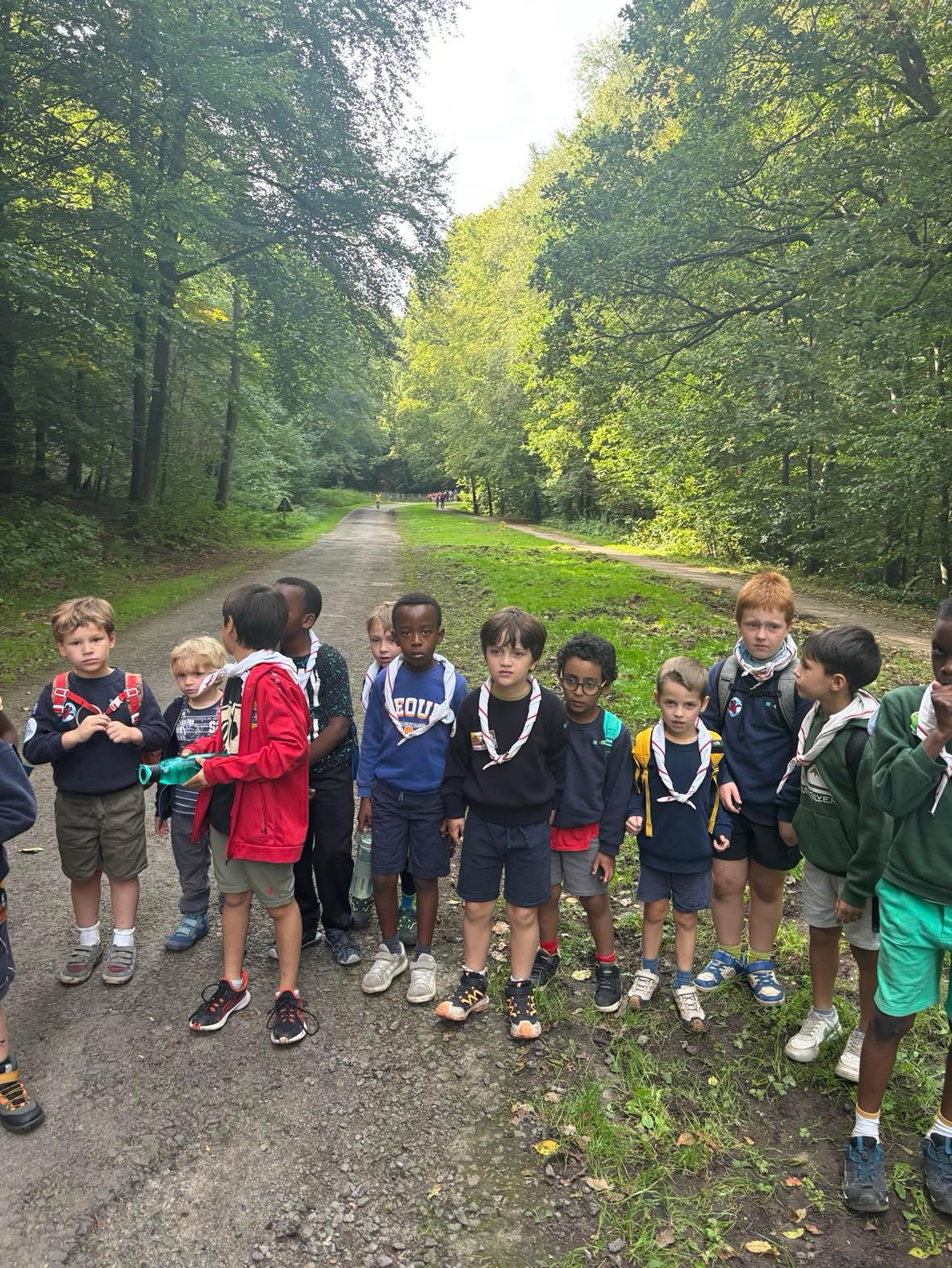
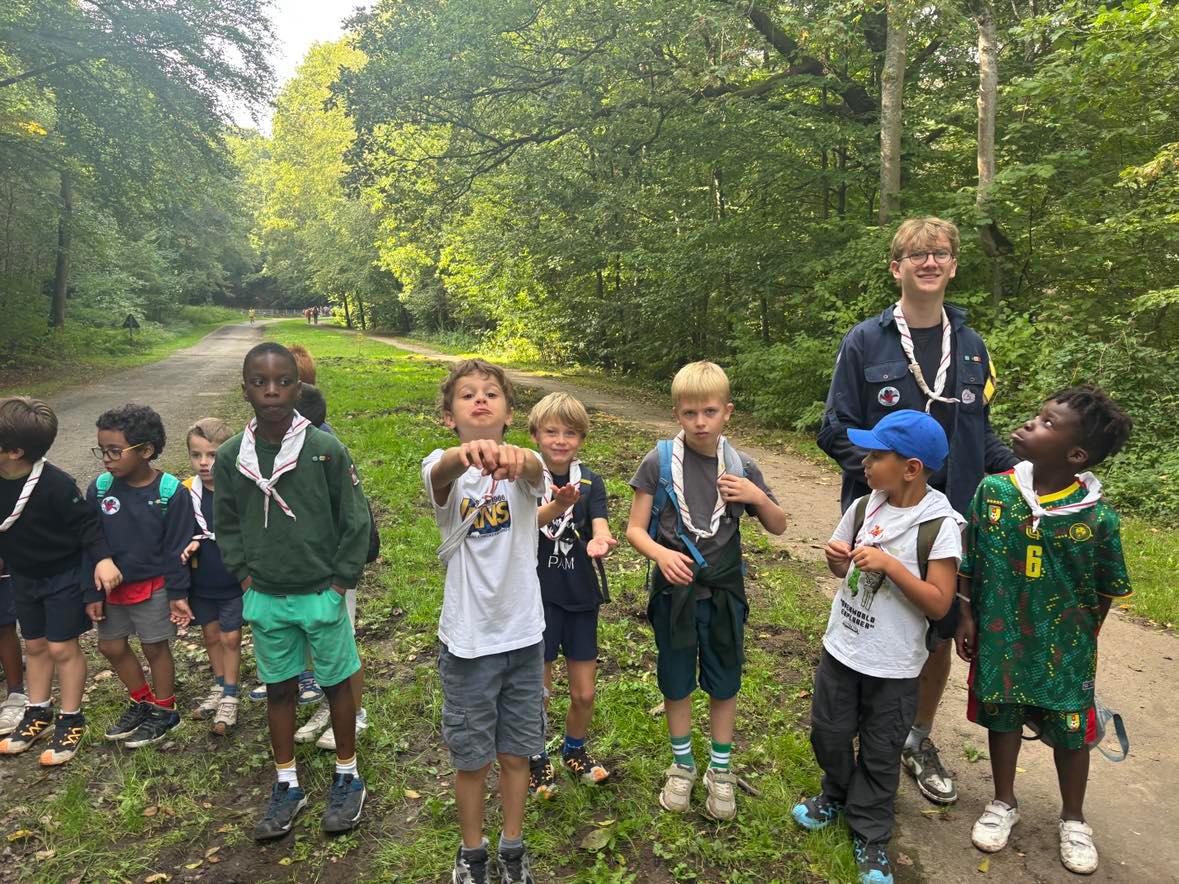
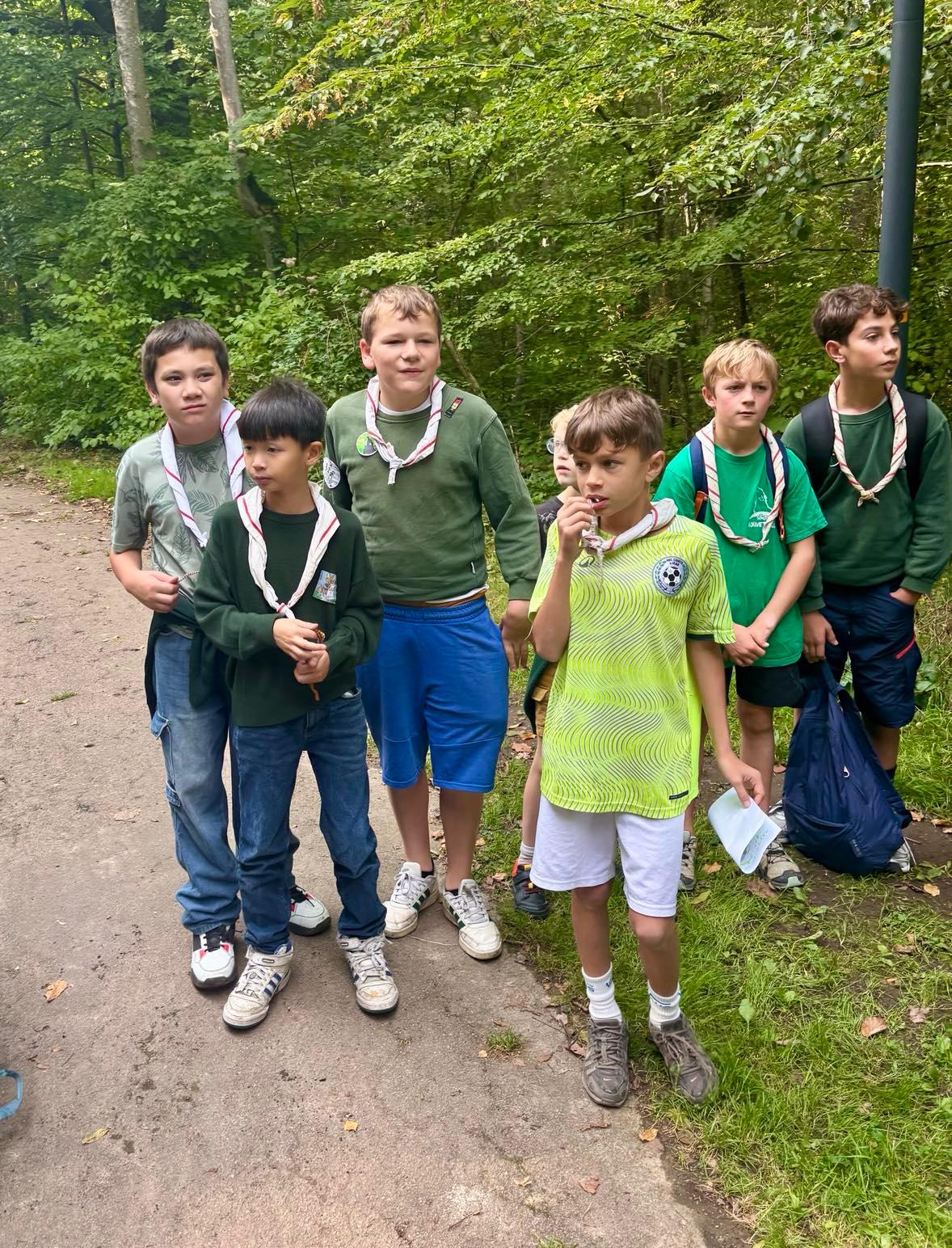
Ce 26 septembre nous nous sommes retrouvé au Sart tilman pour notre traditionelle montée.
Les éclaireurs de la XIeme Légia ont pu explorer ce samedi 18 avril 2026 la grotte St Anne à Tilff. Merci à Frédéric Busch et au GRSC (groupe de recherches spéléologiques de Comblain) pour l’encadrement. Voici quelques photos de cette belle aventure :


The internet makes it possible to find an answer to almost any question within seconds. Yet speed does not guarantee accuracy. Search results can mix carefully researched reporting with outdated pages, unsupported opinions, advertising, and material created primarily to attract attention. Developing a reliable method for evaluating online information helps readers make better decisions without requiring specialist knowledge.
The first step is to identify who is responsible for the information. A government department, university, professional association, established newsroom, or named subject-matter expert may provide useful context, although no category is automatically correct. Check whether the author is identified and whether the organisation explains its purpose, funding, or editorial standards.
Anonymous material deserves additional scrutiny, particularly when it makes strong claims about health, finance, politics, or public safety. A credible source should make it possible to understand the writer’s expertise and the basis for the argument. If ownership details are difficult to find, readers should treat that absence as relevant evidence rather than a minor inconvenience.
Reliable articles generally distinguish between established findings, interpretation, and speculation. They may cite research papers, official statistics, interviews, court records, or other primary documents. References do not guarantee that a claim is sound, but they give readers a path for checking it.
Pay attention to whether the evidence actually supports the conclusion. A study involving a small group may not justify a sweeping claim about an entire population. Likewise, a personal story can illustrate an experience without proving that the same outcome is common. Good analysis explains limitations instead of presenting every result as definitive.
Links and labels can also reveal the status of a page. A placeholder link like test may signal that a document is unfinished, being used for demonstration, or awaiting a final reference. Recognising these clues prevents readers from treating an incomplete resource as polished evidence.
Information can become misleading when it is separated from the time in which it was produced. Laws change, scientific understanding develops, prices fluctuate, and public statements may be corrected. Look for a publication date and, when available, an update history. An undated page should not automatically be dismissed, but its relevance is harder to judge.
Context matters just as much as timing. A statistic may describe one region, age group, or period while being presented as if it applied everywhere. Read beyond the headline, inspect the surrounding paragraphs, and note the definitions used. Numbers without a denominator, comparison point, or explanation can create a distorted impression even when they are technically accurate.
Comparing several sources is useful when they are genuinely independent. Five pages repeating the same press release do not provide five separate confirmations. Try to locate the original report or statement, then compare it with reporting from organisations that use different methods and have different editorial perspectives.
Disagreement is not necessarily evidence that all sources are equally unreliable. It may reflect different data, definitions, or standards of interpretation. A careful reader asks what each account can establish, what remains uncertain, and whether the disagreement concerns facts or conclusions.
Online content often competes for attention through emotional language, dramatic images, and urgent appeals. These features do not prove that a claim is false, but they can encourage people to react before assessing it. Be cautious when a page pressures readers to share immediately, dismisses all criticism, or presents complex issues as having only one obvious explanation.
Before passing information along, pause and summarise the central claim in neutral language. Then ask what evidence would change your mind and whether the source addresses reasonable objections. This habit supports better judgment, reduces the spread of errors, and makes online discussion more constructive.
Samedi 21 septembre, l’unité au grand complet a célébré ses retrouvailles et démarré l’année sous le soleil ! Les enfants, mélangés en « sizouilles », ont pu participer à un grand jeu inspiré des valeurs contenues dans la Loi scoute avant de célébrer la « montée » des grands vers la section supérieure. Une très belle journée !
N’oubliez pas notre souper d’unité (samedi qui vient, 5 octobre). C’est aujourd’hui le dernier jour pour s’inscrire !


L’année scoute débutera samedi prochain, 21 septembre, avec la fameuse journée des « passages ». Rendez-vous à 11h au parc de la Citadelle (début du Bd du Douzième de Ligne) en uniforme impeccable. Pour les « montants » (qui vont passer dans la section supérieure), c’est l’occasion de porter une dernière fois leur « vieil » uniforme. Pour les nouveaux, c’est le moment de recevoir leur premier foulard, offert par l’unité !
Merci de prévoir un repas tiré du sac et une gourde d’eau.
RV est donné aux parents à 17h au local (ancienne Abbaye Saint-Laurent, rue Saint-Laurent 79, entrée par la grande grille) pour récupérer leur(s) enfant(s) et célébrer ce début d’année autour d’un verre (à prix scout) !
Le grand moment du début de l’année scoute se profile. Notre souper d’unité est prévu pour le samedi 5 octobre. Du changement, cette année : nouveau lieu (école Saint-Servais) et nouvelle formule (trio de pâtes) ! Mais toujours la même ambiance chaleureuse, le plaisir de se retrouver, la présentation des nouveaux staffs, les adieux émouvants aux anciens animateurs et, bien sûr, les montages-photos des camps 2024 !
Nous attendons les parents, les animés, les amis et les anciens de l’unité en nombre !
Nous proposons l’assiette à 15 euros pour les plus de 12 ans et 9 euros pour les moins de 12 ans. Nous nous occupons des desserts (mais les bonnes volontés qui souhaitent néanmoins nous faire profiter de leur talent de pâtissiers sont évidemment toujours les bienvenues) !
Pour s’inscrire, merci de bien vouloir remplir le formulaire avant le 29 septembre.

L’année scoute 2024-25 va bientôt redémarrer (le 21 septembre). La Onzième Légia est parée à bloc ! Viens scouter avec nous ! L’unité est heureuse d’accueillir de nouveaux animés.
Les enfants sont les bienvenus dans les sections Baladins (6-8 ans), Eclaireurs (12-16 ans) et Pionniers (16-18 ans). La section Louveteaux (8-12 ans) est malheureusement complète.
Pour les hésitants, il est possible de « venir et voir » en prenant part à deux réunions avant de se décider.
Les parents des futurs animés sont invités à contacter un membre de l’équipe d’unité en envoyant un message à : unite11legia@gmail.com

Are you a scout leader on a student or training exchange in the Liège area this semester (Fall 24)? Are you looking to living the international scout adventure and making new friends in your host country? Then, consider joining the Onzième Légia, a scouting group in downtown Liège, as an invited scoutmaster! You will be able to meet new people outside your work or study groups and experience a new way of scouting, while practicing your French!
We hold our regular meetings on Saturday afternoon and welcome scout leaders of all origins, at any level of experience. Contact us at: unite11legia@gmail.com !

Le moment tant attendu est enfin arrivé ! Depuis le début du mois, les camps Baladins, Louveteaux et Éclaireurs de la Onzième Légia battent leur plein sous une météo… changeante mais dans la bonne humeur ! Les Pionniers partiront eux en Norvège au mois d’août. En attendant, ils ont mis leur talent et leur énergie à aider les animateurs sur les différents camps ! Merci à eux ainsi qu’aux animateurs et aux parents qui rendent ces merveilleux moments possibles !


Samedi 27 avril, grande expédition pour la ribambelle qui partait à la mer en compagnie des Nutons de l’unité guide de la Deuxième Avroy ! Train pour la Côte, jeu de piste jusqu’à la mer pour aider un malheureux pêcheur à retrouver son trésor perdu et, bien sûr, pâtés de sable !


